
We Tested:
A Mississippi State baseball game is not just a sporting event. It is a pilgrimage to college baseball’s loudest, most idiosyncratic cathedral. With the 2026 season marking the dawn of the Brian O’Connor era, the stakes have never been higher, the roster has never been more reshaped, and the experience of watching a game at Dudy Noble Field remains unlike anything else in amateur sports. This guide breaks down the on-field product, the off-field culture, and the practical realities of attending or following an MSU baseball game this spring.
Introduction: Why a Mississippi State Baseball Game Is Different
Have you ever stood in an outfield concourse, smelled charcoal smoke drifting over a crowd of forty thousand, and felt the ground shake from cowbells—all while a future first-round pick digs into the batter’s box?
That is not a hypothetical. That is a Friday night in Starkville.
Mississippi State baseball occupies a strange and wonderful place in the American sports landscape. It is a program that has won exactly one national championship (2021) but consistently draws crowds that rival minor league franchises and outperforms most Power Five football programs in per-game attendance enthusiasm. It is a place where the tailgate is as famous as the team, where the Left Field Lounge has its own mythology, and where a coaching change in 2025 felt less like a roster move and more like a tectonic shift.
For beginners, the appeal can seem mysterious. For the converted, it is obvious. And for anyone planning to attend a Mississippi State baseball game in 2026—whether in Starkville, Biloxi, or on the road—understanding the layers beneath the surface is essential.
This guide is your field manual. We will cover the 2026 roster reset under Brian O’Connor, the cultural institutions that make a game at Dudy Noble unique, practical advice for first-timers, the mistakes even seasoned fans make, and a clear-eyed look at where this program is headed.
Background: The 2026 Reset and the O’Connor Era
From Lemonis to O’Connor: A Program at a Crossroads
To understand the 2026 Mississippi State baseball game experience, you first need to understand the winter that preceded it.
Chris Lemonis, the coach who delivered the 2021 national title, was dismissed during the 2025 season after a stretch of inconsistency that fell short of Starkville’s uncompromising standard. The search that followed was described by Baseball America as “the most visible coaching search of the offseason”. Mississippi State did not merely hire a replacement. It hired a proven architect: Brian O’Connor, who spent 22 seasons at Virginia, led the Cavaliers to seven College World Series appearances, and won the 2015 national championship.
O’Connor did not arrive with a rebuild mentality. He arrived with a reload mentality.
Within months, he assembled the nation’s No. 2 transfer class—18 portal additions—while retaining crucial pieces like All-American third baseman Ace Reese and two-way star Noah Sullivan. The SEC coaches’ preseason poll projected the Bulldogs to finish third in the league, with Reese and Sullivan both earning first-team All-SEC nods. Baseball America ranked MSU No. 3 nationally in its preseason preview.
The 2026 Mississippi State baseball game, then, is not just a game. It is an audition. It is a program with championship resources and championship expectations, now led by a coach who knows exactly what that weight feels like.
The Anatomy of a Mississippi State Baseball Game
Dudy Noble Field: The Cathedral
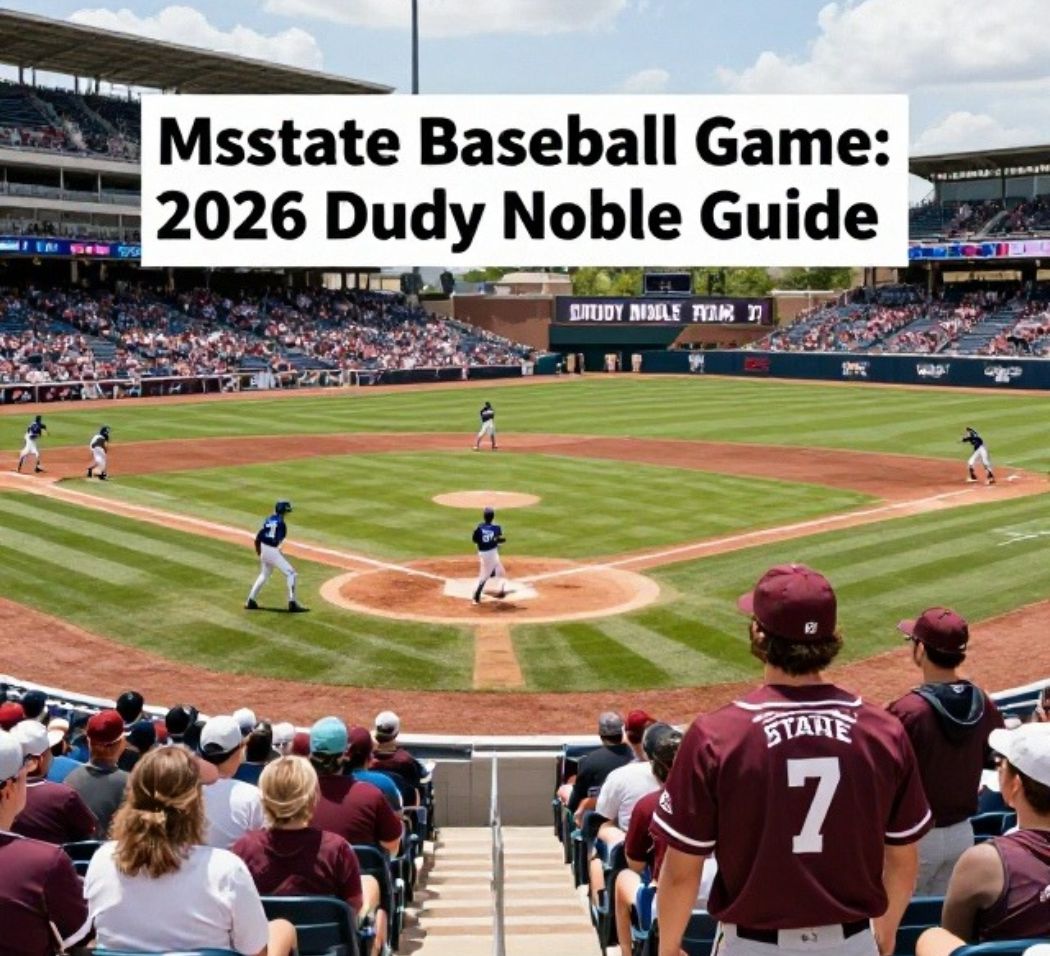
Dudy Noble Field is not the largest stadium in college baseball by accident. It is the largest by design—and by demand. The facility, renovated and expanded over decades, reflects a simple truth: Mississippi State fans do not treat baseball as a secondary sport.
The grandstand offers pro-style luxury suites, the Left Field Lofts provide residential-style viewing, and the concourse connects the entire stadium in a way that encourages movement and socializing rather than static spectating. But the soul of the place sits beyond the outfield fence.
The Left Field Lounge: College Baseball’s Greatest Tailgate
If you ask a Mississippi State fan to explain the Left Field Lounge to an outsider, you will likely get a story rather than a definition.
What began in the late 1960s as a loose collection of pickup trucks, grills, and folding chairs along the outfield fence has evolved into 96 permanent lounge rigs encircling the outfield, complete with two-level structures and a waiting list for the privilege of owning one. It is, by essentially every account, college baseball’s largest and most famous tailgate party.
The Lounge is not a VIP section. It is not a corporate hospitality product. It is a cultural institution built on decades of iteration. You will find lawyers and linemen, students and grandparents, all sharing smoked meats and unsolicited opinions on the pitching rotation. The ethos is simple: everyone is welcome, the grill is always on, and the game is better when watched from a slightly unconventional angle.
The Cowbells: Tradition or Menace?
Mississippi State’s cowbell tradition is the subject of good-natured (and sometimes not-so-good-natured) debate across the SEC. The instruments are woven into the fabric of game day, ringing out after big plays and during rallies. For the uninitiated, the sound can be jarring. For the converted, it is the heartbeat of the stadium.
A practical note: if you are sensitive to noise, bring earplugs. If you want the full experience, bring a cowbell of your own. Just know the rules—SEC regulations limit when cowbells can be rung during conference games.
What to Expect on the Field in 2026
An Offense Built to Score in Bunches
The 2025 Mississippi State team set a program record with 103 home runs. The 2026 roster returns the top five bats from that team, each of whom hit .317 or better. Add in transfers like first baseman Blake Bevis (18 home runs at Ball State) and outfielder Aidan Teel from Virginia, and the lineup has the potential to be one of the deepest in the country.
Ace Reese is the headliner. The junior third baseman slashed .352/.422/.718 with 21 home runs in 2025, earning SEC Newcomer of the Year honors. His 90th-percentile exit velocity of 105.4 mph and 55% hard-hit rate place him among the nation’s elite power hitters. If you attend a Mississippi State baseball game this season, watch Reese’s first at-bat closely. The sound is different.
Pitching: The Great Unknown
Here is the honest caveat that most preseason hype pieces gloss over: Mississippi State lost most of its innings from 2025. Only 147 of 496⅔ innings pitched return. The Friday night starter, Ryan McPherson, is a sophomore with just three career starts. The Sunday starter, Tomas Valincius, is a Virginia transfer with talent but limited track record at this level.
Pitching coach Justin Parker is widely respected—his staffs have struck out nearly 500 batters in each of the last two seasons, and 14 of his pitchers have been drafted in that span. But the rotation is unproven. A Mississippi State baseball game in 2026 will be a test of Parker’s developmental reputation as much as O’Connor’s lineup construction.
Practical Tips for Attending a Mississippi State Baseball Game
If You’re Going to Starkville
Book accommodations early. Starkville’s hotel inventory is limited, and SEC home weekends fill up months in advance. The Left Field Lofts are a bucket-list stay, but they require planning—and patience on the waiting list.
Arrive early for the Lounge. Even if you do not have a rig of your own, the Left Field Lounge concourse is open to all ticketed fans. Walk through, introduce yourself, and accept the first offer of food. It will come.
Park strategically. Dudy Noble sits on the MSU campus, and parking around the stadium fills quickly on game days. The university operates shuttle services from remote lots. Check hailstate.com for the latest game-day logistics.
Know the schedule quirks. The 2026 home slate includes series against Vanderbilt, LSU, Auburn, Tennessee, and Georgia, plus a midweek neutral-site game against Tulane in Biloxi on March 10. The Biloxi game at Keesler Federal Park is a fantastic alternative for fans on the Gulf Coast who cannot make the trip to Starkville.
If You’re Watching from Home
SEC Network+ is your friend. Most non-conference home games and many midweek contests stream on SEC Network+, accessible through the ESPN app with a cable or streaming login. For SEC series, check the ESPN family of networks.
Follow the stats, not just the score. Mississippi State’s official athletics site provides live stats and detailed box scores. For prospect-focused analysis, Baseball America and Perfect Game offer deep dives on roster performance.
If You’re a Fantasy or Betting Enthusiast
A word of caution: college baseball is volatile. A lineup that scores 19 runs on Tuesday can get shut out on Friday. The 2026 MSU team is talented but inexperienced on the mound, which means totals and run-line markets carry more variance than the preseason rankings suggest. If you are engaging with the game through a wagering lens, focus on offensive player props (Reese’s total bases, Sullivan’s on-base percentage) rather than team outcomes early in the season.
Common Mistakes and Challenges (and How to Solve Them)
Mistake #1: Treating the Left Field Lounge Like a Normal Tailgate
The problem: First-timers often show up with a cooler and expect to claim a spot.
The solution: The permanent rigs are privately owned and passed down or sold through waiting lists. But the concourse is public. You do not need a rig to experience the Lounge. Bring a portable chair or simply walk the concourse, make friends, and enjoy the atmosphere. The community is famously welcoming to respectful visitors.
Mistake #2: Underestimating the Weather
The problem: Mississippi springs are unpredictable. A sunny 75-degree afternoon can turn into a chilly, windy evening game.
The solution: Layer. Bring a light jacket or hoodie even if the forecast looks perfect. The stadium’s open concourse design means wind is a constant factor, particularly in the outfield areas.
Mistake #3: Expecting Instant Pitching Consistency
The problem: Fans accustomed to the Lemonis-era rotations may expect the 2026 staff to immediately replicate that production.
The solution: Give the rotation time. McPherson and Valincius have talent, but SEC lineups are unforgiving. The early-season non-conference schedule (Hofstra, Delaware, Lipscomb) is designed to build confidence before the Arkansas and Vanderbilt series hit in March. Judge the pitching staff in April, not February.
Mistake #4: Ignoring the Midweek Games
The problem: Many fans circle the SEC weekends and skip Tuesday night games against in-state opponents.
The solution: Midweek games at Dudy Noble are often the most relaxed and enjoyable experiences. The crowds are smaller, the Lounge is less crowded, and you can often get closer to the action. The Troy and Alcorn State games in February are excellent opportunities for families and first-timers.
Pros, Cons, and a Balanced Analysis of the 2026 Mississippi State Baseball Game Experience
Pros
-
Atmosphere: The combination of Dudy Noble’s scale, the Left Field Lounge, and the cowbell tradition creates a game-day environment unmatched in college baseball.
-
Offensive firepower: Reese and Sullivan form one of the nation’s best 1-2 punches. The lineup is deep, experienced, and capable of explosive innings.
-
Coaching pedigree: O’Connor has won at the highest level. His Virginia teams were known for discipline, pitching development, and postseason performance.
-
Schedule quality: The 2026 home slate features LSU, Vanderbilt, Tennessee, Auburn, and Georgia. If you want to see elite college baseball, Starkville is the place to be.
Cons
-
Pitching uncertainty: The rotation is young and largely untested at the SEC level. A Friday night loss because of walks and errors is a real possibility.
-
Transition friction: A roster with 26 newcomers takes time to gel. Early-season chemistry may be uneven.
-
Expectation pressure: The “Omaha-or-bust” standard is real. A slow start will generate scrutiny that can affect a young team.
The Balanced Take
A Mississippi State baseball game in 2026 is a bet on the future disguised as a Saturday afternoon. You are watching a program with every resource necessary to win a national championship, led by a coach who has done it before, but fielding a team that is still learning how to win together. The experience is worth the trip regardless of the outcome. The baseball may be imperfect. The atmosphere will not be.
Future Trends: Where Mississippi State Baseball Is Headed
The O’Connor Recruiting Pipeline
O’Connor did not just bring Virginia transfers with him. He brought a philosophy. His Virginia teams were built on patient hitting, elite defense, and pitching depth. The 2026 roster already reflects that influence, but the real test comes in 2027 and 2028, when his first full recruiting classes mature.
Perfect Game ranked Mississippi State’s 2026 recruiting class No. 9 nationally, highlighting right-handed power bats and a deep crop of projectable arms. Five freshmen—Landon Brown, Jake Carbaugh, Denton Lord, Wilson Andersen, and Dax Hardcastle—earned spots on the Top 150 Freshmen list. If even half of those arms develop, the pitching concerns of 2026 become a footnote by 2027.
The NIL and Portal Era
College baseball’s transfer portal has changed the calculus for every program, but few have embraced it as aggressively as Mississippi State did this offseason. The 18-player portal class was a calculated gamble: maximize the immediate window while O’Connor’s high school recruiting classes develop. The long-term question is whether this hybrid model—retain your stars, supplement heavily through the portal, and build through the draft—is sustainable. The early returns suggest it can be.
The Left Field Lounge’s Next Chapter
The Lounge has already evolved from pickup trucks to permanent structures. The next evolution may be experiential: more organized events, branded partnerships, and perhaps even a waiting-list lottery system for students. The risk is over-commercialization. The asset is authenticity. Mississippi State’s athletics administration has, so far, resisted the urge to sanitize the Lounge. That restraint will be tested as the program’s national profile grows.
Conclusion: Key Takeaways
-
A Mississippi State baseball game is a cultural experience as much as an athletic one. Dudy Noble Field and the Left Field Lounge are destinations in their own right.
-
The 2026 season marks the beginning of the Brian O’Connor era, with a revamped roster, a No. 2 transfer class, and SEC championship expectations.
-
Ace Reese is a must-watch hitter. His at-bats are worth the price of admission alone.
-
Pitching is the question mark. The rotation is talented but unproven. Patience is required.
-
Attend a midweek game if you want a lower-stress introduction to the atmosphere. Save the SEC weekends for when you are ready for the full circus.
-
The Left Field Lounge is open to all ticketed fans. Walk through, be friendly, and you will understand why people plan vacations around this place.
-
The program’s future is bright, but the 2026 team is a work in progress. Enjoy the ride rather than demanding the destination.
Frequently Asked Questions
Q: Do I need a special ticket to access the Left Field Lounge?
A: No. The Lounge concourse is accessible to all ticketed fans. The individual rigs are privately owned, but walking through and socializing is encouraged.
Q: Are cowbells allowed in the stadium?
A: Yes, with restrictions. SEC rules limit cowbell ringing during conference games. For non-conference games, the rules are generally more relaxed. Check the stadium policy on game day.
Q: What is the best game to attend in 2026?
A: For atmosphere, an SEC series against LSU or Vanderbilt is unmatched. For a more relaxed introduction, a midweek game against an in-state opponent is ideal. The Biloxi neutral-site game against Tulane offers a unique Gulf Coast experience.
Q: Is Dudy Noble Field family-friendly?
A: Absolutely. The atmosphere is loud and spirited but generally welcoming. The Left Field Lounge is a tailgate environment, so parents should use judgment with young children, but the grandstand seating and concourse are appropriate for all ages.
Q: How does the 2026 team compare to the 2021 national championship team?
A: The 2021 team had a veteran, proven pitching staff. The 2026 team has a deeper lineup but more questions on the mound. The 2021 team was a finished product. The 2026 team is a promising work in progress.
Q: What is the “Omaha-or-bust” standard?
A: It is the expectation, stated openly by fans and administrators, that Mississippi State baseball should compete for a College World Series berth every season. The 2021 championship raised the bar. O’Connor was hired to meet it.
Sources
-
Baseball America, “No. 3 Mississippi State Baseball 2026 Preview: Strengths, Weaknesses & Projected Lineup,” January 2026
-
Mississippi State Athletics, “2026 Baseball Schedule”
-
Mississippi State Athletics, “O’Connor Era At MSU Opens Against Hofstra,” February 2026
-
Mississippi State Athletics, “The Left Field Lounge” PDF
-
Perfect Game, “Head of the Class: No. 9 Mississippi State”
-
Shreveport Times, “SEC baseball preseason power rankings led by reigning champion LSU,” February 2026
-
On3.com, “SEC Coaches high on Diamond Dawgs in preseason poll,” February 2026
-
Sports Illustrated, “Bulldogs Baseball Program Lands Five Players on Top 150 Freshmen List”
-
College Sports Wire / Mississippi Clarion Ledger, “Will Mississippi State make CWS in Brian O’Connor’s first season?” February 2026
-
MiLB.com, “Mississippi State Set to Return to Biloxi in March to Face Tulane”

Novara Lin
Senior Editor & Clean Beauty Analyst
Novara Lin is a clean beauty researcher and wellness editor dedicated to demystifying modern skincare and evidence-based living. With a background in formulation science and consumer health reporting, she specializes in analyzing complex ingredient profiles, evaluating product safety, and bridging the gap between clinical research and daily self-care routines. Her work focuses on helping readers cut through industry noise to build minimal, highly effective routines rooted in transparency and skin health. When she isn’t testing active formulations or auditing non-toxic household choices, Novara leads editorial strategy for NovaRa Pure.