
We Tested:
Imagine this: You’re sitting at a café in Medellín, Colombia. You’ve just finished a heavy bandeja paisa, and you’re craving something sweet. You confidently flag down the waiter and ask for a plátano, expecting a soft, yellow Cavendish banana to finish your meal. What arrives instead is a thick, starchy slice of something that looks like a banana but tastes like a potato. You’ve just fallen into one of the most common linguistic traps in the Spanish-speaking world.
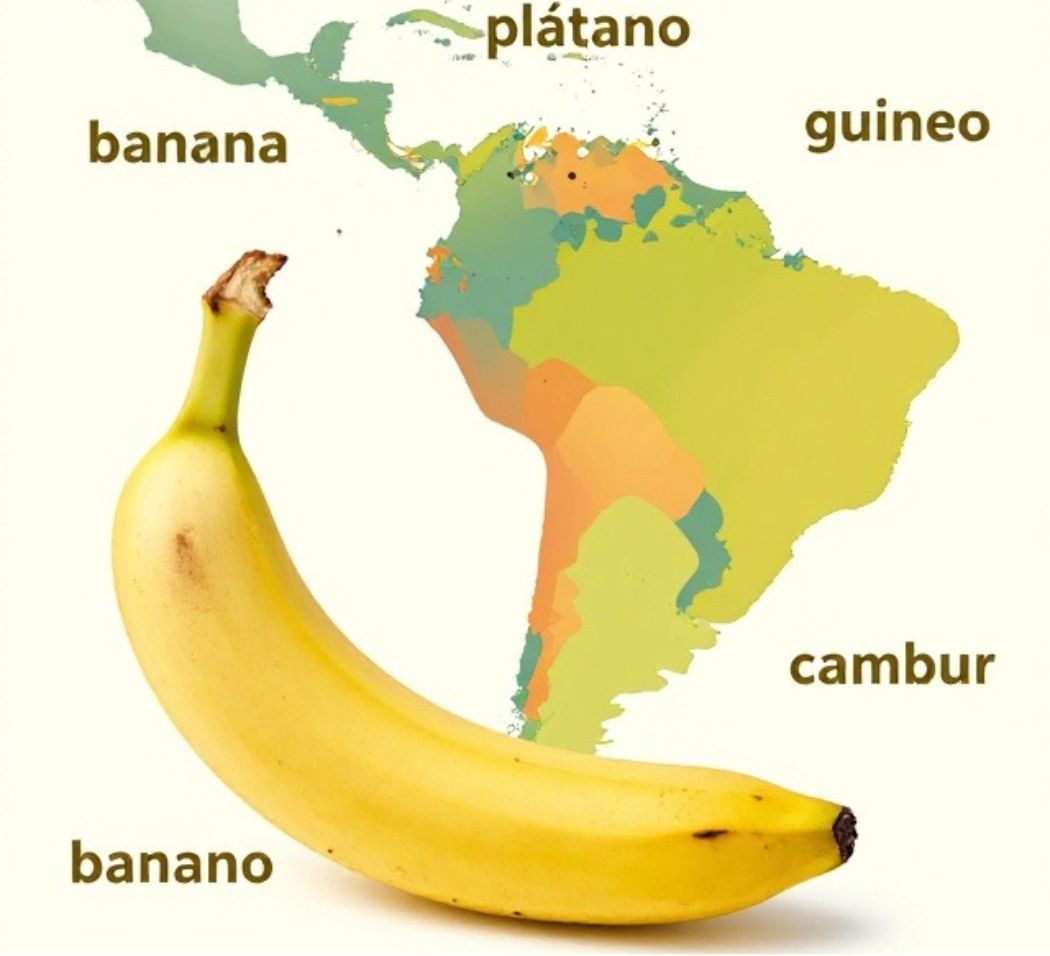
Here is the surprising truth that most phrasebooks miss: the word for “banana” in Spanish is not a single word—it is a geographic fingerprint. Depending on where you are standing, the humble yellow fruit can be called plátano, banano, banana, cambur, or guineo. In some countries, asking for a plátano will get you a sweet snack; in others, it will get you a savory side dish that needs to be fried.
This isn’t just a vocabulary quirk. It is a window into the history of trade, colonization, and the sheer botanical diversity of Latin America. If you want to speak Spanish that actually lands with locals—whether you are traveling, doing business, or just trying to order breakfast—you need to understand the nuance behind this fruit. By the end of this guide, you won’t just know the words; you’ll know the why and the where.
Background: Why Is “Banana” So Complicated in Spanish?
To understand why Spanish has so many words for one fruit, you have to look at how the language spread across the Atlantic. The banana is not native to the Americas; it originated in Southeast Asia and made its way to the Canary Islands and West Africa before crossing the ocean in the 16th century .
When Spanish colonizers encountered the fruit in the New World, they had a naming problem. They applied the word plátano—which originally referred to the plane tree (a shade tree with broad leaves)—to the banana plant because of the sheer size of its leaves . Because plátano was the first term to take root in the Castilian language, it became the generic term that is understood almost everywhere, even today .
However, as trade routes expanded and different varieties of the fruit (sweet bananas vs. starchy plantains) spread across different regions, local populations developed their own distinct terms. The word banana arrived later, likely through Portuguese traders from West Africa (derived from the Bantu word banaana), entering Spanish via the Canary Islands in the 18th century . Meanwhile, cambur in Venezuela and guineo in the Caribbean and Central America emerged as regional identifiers, possibly referencing the Guinean coast of Africa or specific local varieties .
The result is a linguistic map where a single fruit has multiple identities, often dictated by whether the local variety is eaten raw as a fruit or cooked as a vegetable.
The Regional Guide: Where to Say What
If you want to sound like a local, you need to match your vocabulary to your map. Here is the breakdown of the five primary contenders.
1. Plátano: The Universal (but Confusing) Standard
-
Where it works: Understood essentially everywhere in the Spanish-speaking world, but with a critical distinction.
-
The Catch: In Spain, plátano is the standard word for the sweet banana you eat raw. However, in much of Latin America (particularly Colombia, Ecuador, and Central America), plátano specifically refers to the plantain—the larger, starchier relative that must be cooked (fried, boiled, or baked) .
-
Pro Tip: If you are in the Americas and want a sweet banana, saying plátano might get you a starchy plantain. You need to specify plátano de fruta or use the local term for the sweet variety.
2. Banano / Banana: The Andean and Southern Cone Choice
-
Where it works: The Andes (Colombia, Ecuador, Peru), Central America, and the Southern Cone (Argentina, Uruguay, Paraguay).
-
Why: In these regions, the distinction between the sweet fruit (banano or banana) and the cooking plantain (plátano) is strictly observed. In Colombia, for example, if you want a sweet banana for your cereal, you ask for a banano. If you want the starchy one for frying, you ask for a plátano .
-
Regional Note: In Argentina and Uruguay, the Italian influence makes the feminine form la banana the most common choice .
3. Guineo: The Caribbean and Central American Classic
-
Where it works: Cuba, Puerto Rico, Dominican Republic, Guatemala, El Salvador, Honduras, and parts of Ecuador.
-
The Vibe: This term is thought to derive from the Guinean coast of Africa, a nod to the fruit’s route across the Atlantic. If you are in the Caribbean, ordering a guineo will get you a sweet banana, often the small, fragrant “finger” varieties .
4. Cambur: The Venezuelan Exclusive
-
Where it works: Venezuela.
-
The Nuance: In Venezuela, cambur is the everyday word for the sweet banana. If you ask for a plátano in Caracas, you are asking for the large, green plantain used to make tostones . Linguists believe cambur may have origins in the Guanche language of the Canary Islands, which would explain its isolated geographic distribution .
5. Banano vs. Plátano: The Plantain Distinction
For anyone cooking or eating in Latin America, the most important distinction isn’t between “banana” and “banana.” It is between sweet banana and plantain.
| English Concept | Spain | Mexico | Colombia | Venezuela | Caribbean (Cuba/PR/DR) | Argentina/Uruguay |
|---|---|---|---|---|---|---|
| Sweet Banana | Plátano | Plátano | Banano | Cambur | Guineo | Banana |
| Cooking Plantain | Plátano macho | Plátano macho | Plátano | Plátano | Plátano | Plátano |
Note: In Mexico, the sweet banana is often just called plátano, while the plantain is specifically called plátano macho (male banana) to differentiate it.
Practical Tips: How to Order Like a Pro
Knowing the vocabulary is half the battle; applying it is the other half. Here is how to navigate real-world situations.
Scenario 1: Breakfast in a Colombian Hotel
You want a sweet banana to slice over your arepa. Do not ask for plátano. Ask for “un banano, por favor.” If you ask for plátano, you will likely be directed to the fried plantain station. If you are in Spain, however, “un plátano” is exactly what you want.
Scenario 2: Street Food in Venezuela
You want a cambur to eat on the go. Ask for “un cambur” at any kiosk. If you are looking for the ingredients for patacones (fried green plantain discs), you must ask for “plátano verde.”
Scenario 3: Smoothie Shop in Mexico
You want a banana smoothie. While plátano is the standard term in Mexico, if you want to be absolutely clear that you want the sweet fruit and not the starchy one, you can say “plátano de seda” (silk banana) or simply “plátano fruta.”
The “False Friend” Warning
Be careful with the word banana in Spain. While it is understood, in peninsular Spanish, banana is sometimes used as a slang term with a sexual double meaning. Stick to plátano in Madrid to avoid awkward laughter .
Common Mistakes and Challenges (And How to Fix Them)
1st Mistake: Assuming “Plátano” Always Means the Sweet Fruit
-
The Fix: In 90% of Latin America, plátano implies the cooking plantain. If you want the sweet one, use banano, banana, cambur, or guineo, depending on your location. When in doubt, ask for plátano de fruta or plátano maduro (ripe plantain) if you want something sweet but cooked.
2nd Mistake: Using “Banana” in Spain Without Context
-
The Fix: Use plátano in Spain. While banana is understood, it marks you as a foreigner and can carry unintended connotations in casual conversation.
3rd Mistake: Forgetting the Gender
-
The Fix: El plátano, el banano, el cambur, and el guineo are masculine. La banana is feminine. Mixing up the article is a minor error, but getting it right shows attention to detail.
4th Mistake: Not Knowing the Plantain Varieties
-
The Fix: If you are cooking, you need to know the difference between plátano verde (green/unripe, used for savory dishes) and plátano maduro (ripe, sweet, used for desserts or sweet sides). Asking for a plátano for a dessert in Colombia will get you strange looks if you don’t specify maduro.
Pros, Cons, and a Balanced Analysis
The Pros of Regional Vocabulary
-
Cultural Connection: Using the local word signals respect and cultural awareness. It shows you aren’t just a tourist with a phrasebook.
-
Precision: In countries with both sweet and starchy varieties, using the correct term (banano vs. plátano) prevents culinary disappointment.
-
Historical Insight: Each word tells a story of trade routes, colonization, and migration.
The Cons (Challenges)
-
Confusion for Learners: It is frustrating to learn a word, only to find it means something different 500 miles away.
-
Inconsistent Media: Spanish-language media often uses plátano as a generic term, which can mislead learners into thinking the regional variations are less important than they are.
-
The “Generic” Trap: Using plátano everywhere is technically safe, but it marks you as an outsider and can lead to getting the wrong food in specific contexts.
The Verdict: Learn the regional variations for the places you plan to visit or interact with. For general use, plátano is the safest bet for comprehension, but for actual eating, know your sweet vs. starchy distinction.
Future Trends: Is the Vocabulary Shifting?
As of 2026, we are seeing two interesting trends in how Spanish speakers talk about the banana.
1. Globalization of “Banana”
In urban centers and tourist hubs, especially in the Southern Cone and among younger generations, the English loanword banana is gaining ground for the sweet fruit. In Argentina and Uruguay, banana is already the dominant term. This is partly driven by global trade branding and social media, where the yellow Cavendish is universally recognized as a “banana.”
2. The Rise of the Plantain Economy
As Latin American cuisine continues to globalize (think tostones, patacones, and maduros appearing on menus worldwide), the word plátano is becoming more closely tied to the savory, cooking plantain in international contexts. Culinary professionals are increasingly using plátano to specifically mean the starchy variety, reinforcing the distinction that exists in places like Colombia.
3. Digital Assistants and Translation Apps
As AI translation tools improve, they are getting better at context. If you type “banana” into a translator and specify “Colombia,” you will get banano. If you specify “Spain,” you will get plátano. The future of language learning will likely involve learning these regional tags rather than just one static translation.
Conclusion: Key Takeaways
Navigating the world of plátano vs. banana vs. cambur is more than just a vocabulary exercise; it is a lesson in cultural geography. Here is what you need to remember:
-
Plátano is the universal term, but in Latin America, it usually means the cooking plantain (starchy, savory), not the sweet banana.
-
Banano / Banana is used in the Andes and Southern Cone for the sweet fruit. La banana is feminine.
-
Guineo is the sweet banana in the Caribbean and Central America.
-
Cambur is the unique Venezuelan word for the sweet banana.
-
Context is everything: If you want a sweet snack, specify banano, cambur, guineo, or banana. If you want something to fry, ask for plátano verde.
-
When in doubt, ask: “¿Es plátano dulce o plátano de freír?” (Is it sweet banana or frying plantain?) is a perfectly acceptable question that will save you from culinary confusion.
Quick Summary Box
| If you are in… | Say this for a sweet banana: | Say this for a cooking plantain: |
|---|---|---|
| Spain | Plátano | Plátano macho |
| Mexico | Plátano | Plátano macho |
| Colombia | Banano | Plátano |
| Venezuela | Cambur | Plátano |
| Cuba / PR / DR | Guineo | Plátano / Tostones |
| Argentina / Uruguay | Banana | Plátano |
Detailed FAQs
Q: What is the most common word for “banana” in Spanish?
A: Plátano is the most widely understood term across the Spanish-speaking world. However, because it often refers to the cooking plantain in Latin America, it is not always the correct word if you want a sweet, raw banana.
Q: Is “banana” a Spanish word?
A: Yes. Banana is accepted by the Royal Spanish Academy (RAE) and is primarily used in Argentina, Uruguay, Paraguay, Bolivia, and Ecuador. It is a feminine noun: la banana.
Q: Why do Venezuelans say “cambur”?
A: The etymology is debated. Some linguists link it to the Guanche language of the Canary Islands, while others suggest an African origin. It became the standard term in Venezuela due to historical trade and migration patterns.
Q: How do I say “banana bread” in Spanish?
A: The most common translation is pan de plátano or pan de banana, depending on the region. In Spain, you might see pan de plátano; in Argentina, pan de banana.
Q: What is a “plátano macho”?
A: Plátano macho (literally “male banana”) is a common term in Mexico and parts of Central America for the large, starchy plantain used for cooking. It distinguishes it from the smaller, sweeter plátano.
Q: Can I use “plátano” in Spain to mean the sweet fruit?
A: Yes, absolutely. In Spain, plátano is the standard word for the sweet banana. You do not need to use banana unless you are speaking about a specific variety or in a slang context.
Sources and Further Reading
-
Asociación de Academias de la Lengua Española (ASALE): Diccionario de americanismos — The definitive source for regional Spanish vocabulary, including the various uses of plátano across Latin America.
-
Real Academia Española (RAE): Diccionario de la lengua española — The standard reference for definitions and etymologies of banana and related terms.
-
Pawłowska, Marta (2024): “Oro parece, plata no es”: Historical and dialectological aspects of banana names in Spanish — A recent academic paper detailing the etymology and geographic distribution of plátano, banano, and cambur.
-
SpanishDictionary.com: “Banana” in Spanish — A practical, user-friendly guide to regional variations and common phrases.

Novara Lin
Senior Editor & Clean Beauty Analyst
Novara Lin is a clean beauty researcher and wellness editor dedicated to demystifying modern skincare and evidence-based living. With a background in formulation science and consumer health reporting, she specializes in analyzing complex ingredient profiles, evaluating product safety, and bridging the gap between clinical research and daily self-care routines. Her work focuses on helping readers cut through industry noise to build minimal, highly effective routines rooted in transparency and skin health. When she isn’t testing active formulations or auditing non-toxic household choices, Novara leads editorial strategy for NovaRa Pure.