
Last updated: September 12, 2026
We Tested:You know the exact moment allergy season breaches your home. You survive the commute, walk through the front door, and before you even drop your keys, your eyes start to itch.
We try incredibly hard to turn our homes into safe, breathable sanctuaries. We keep the windows locked tight, run expensive HEPA air purifiers in the bedroom, and buy high-grade HVAC filters. But despite all that effort, you might still find yourself waking up with a scratchy throat.
Why? Because we completely ignore the largest collector of environmental irritants in the entire house: the floors.
Gravity is relentless. Every single time you open the front door, walk the dog, or let a breeze in, millions of microscopic invaders—like tree pollen, exhaust particles, and mold spores—float inside and eventually settle on the ground. When you mix those outdoor intruders with indoor pet dander and dust mites, your living room floor quickly transforms into a massive allergy trap.
If you want to stop sneezing in your own living room, you have to completely rethink your floor care routine.
Why Brooms Trigger Allergy Attacks
Have you ever looked at your floor when the afternoon sun hits it at just the right angle? You can see a thick, floating cloud of dust dancing in the light.
When we see dust settling, our immediate instinct is to grab a broom or a basic dry vacuum. If you suffer from asthma or seasonal allergies, this is the absolute worst thing you can do.
The problem with analog cleaning tools:
- The Airborne Launch: Brooms do not trap fine particles; they aggressively kick settled dust, pollen, and pet dander straight back up into the air you breathe.
- Poor Filtration: Older or cheaper dry vacuums often lack fully sealed filtration systems. They might suck up the visible breadcrumbs, but they spit the finest, most irritating microscopic allergens right back out the exhaust vent.
- The Illusion of Clean: Your floor might look clear to the naked eye after sweeping, but your indoor air quality has actually just plummeted because the allergens are now airborne.
Daily Allergen Defense with Automation
If dry sweeping just aerosolizes the problem, how do you actually get rid of the dust? The secret is a technique called “wet-dusting.”
Think about how you clean a dusty kitchen counter. You don’t use a dry paper towel, because the dust will just fly away. You use a damp cloth to physically trap the particles. Your floors require the exact same logic. By applying a tiny, controlled amount of moisture to your hard floors, you physically bind those microscopic allergens so they cannot float away.
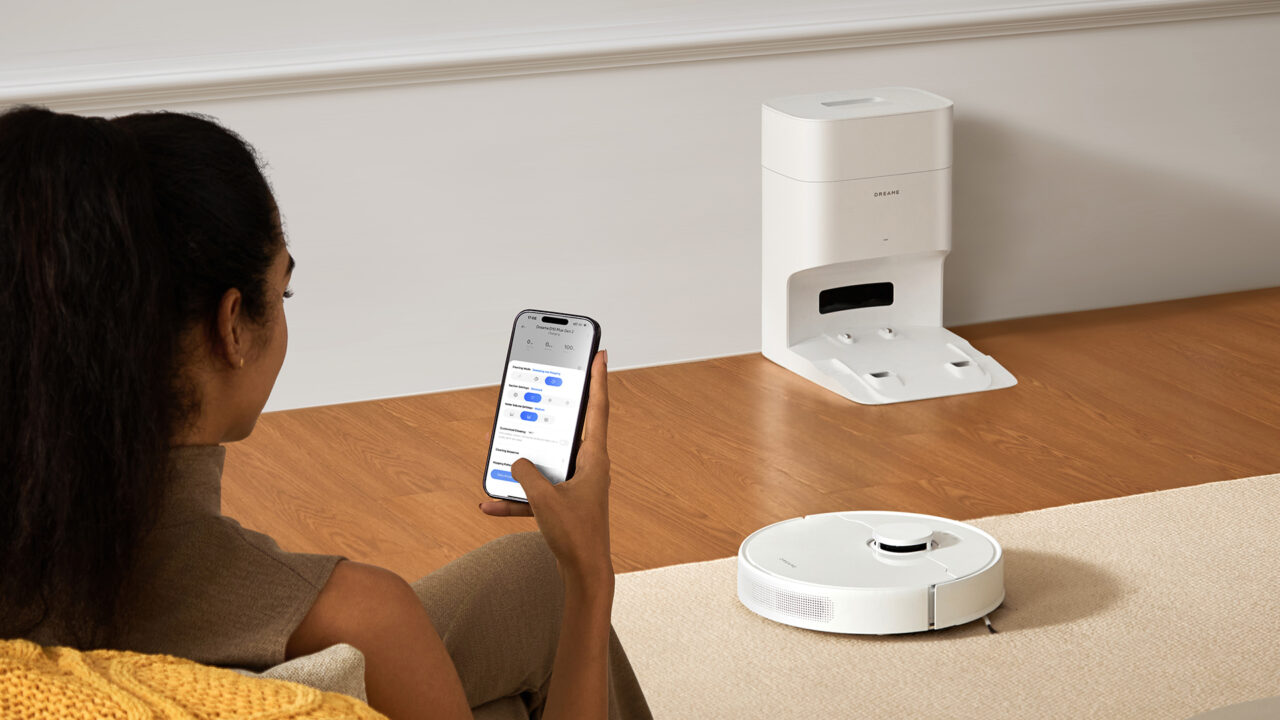
Since nobody has the time to manually damp-mop their house every single day, you need to automate this process. Setting up a high-quality robot vacuum and mop is the ultimate daily defense mechanism.
You can schedule this smart device to run every single morning while you are out of the house. It works as a two-part system: the heavy suction pulls up the larger pet hair and dust mites, while the trailing damp pad acts as a static magnet, wiping up the microscopic pollen that dry suction always leaves behind. You return home to a space where the baseline level of allergens has been completely zeroed out.
Extracting Heavy Pollen from Entryways
While automation handles the slow, invisible daily dust, your entryways require a much more aggressive strategy.
Your mudroom, front hallway, and back patio door are the primary battlegrounds for your respiratory health. This is exactly where the heaviest concentration of outdoor contaminants—driveway chemicals, garden mud, and thick yellow spring pollen—gets tracked inside on your shoes and your dog’s paws.
A light automated wipe isn’t going to fix a heavy mudroom mess. But grabbing a traditional string mop is just as bad. When you use a standard mop and bucket, you are simply diluting the dirt. You end up pushing a wet, sticky “pollen soup” deep into your tile grout lines.
To permanently remove heavy, ground-in contaminants, you need the best wet dry vacuum technology available.
Unlike a mop, this heavy-duty machine utilizes a strict dual-tank system. It aggressively scrubs the sticky pollen and mud with continuously flowing fresh water, and then immediately uses massive suction to pull that contaminated slurry off the floor. You are literally extracting the allergens from your home and locking them in a sealed tank to be poured straight down the sink.
The Hypoallergenic Floor Plan
Ready to breathe easier? Here is a quick breakdown of how to deploy these tools for maximum allergy relief:
| Household Zone | The Allergen Threat | Your Tech-Forward Solution |
| Living Rooms & Bedrooms | Settled pet dander, dust mites, floating pollen. | Daily Automation: Run the smart combo unit daily to wet-dust the floors while you are at work. |
| Mudrooms & Entryways | Thick mud, ground-in spring pollen, outdoor chemicals. | Instant Extraction: Use the manual wet/dry machine to instantly scrub and extract heavy shoe tracks. |
| Kitchens & Dining | Sticky food spills that trap and glue dust to the floor. | Targeted Scrubbing: Run the wet/dry machine weekly to strip away sticky residue. |
Conclusion
We spend hundreds of dollars a year on allergy medications, nasal sprays, and premium air filters, yet we completely ignore the dirt under our feet.
You cannot have healthy indoor air if you have contaminated floors. The two are permanently linked. By retiring your old broom and that unhygienic mop bucket, you can finally stop the endless cycle of merely circulating dust around your living room.
Upgrading to a modern, moisture-controlled cleaning system transforms your floor care routine from a frustrating weekend chore into a foundational pillar of your family’s health. It stops allergens at the source, limits your exposure to harsh outdoor irritants, and ultimately allows you to reclaim your home as the breathable, relaxing sanctuary it was always meant to be.

Novara Lin
Senior Editor & Clean Beauty Analyst
Novara Lin is a clean beauty researcher and wellness editor dedicated to demystifying modern skincare and evidence-based living. With a background in formulation science and consumer health reporting, she specializes in analyzing complex ingredient profiles, evaluating product safety, and bridging the gap between clinical research and daily self-care routines. Her work focuses on helping readers cut through industry noise to build minimal, highly effective routines rooted in transparency and skin health. When she isn’t testing active formulations or auditing non-toxic household choices, Novara leads editorial strategy for NovaRa Pure.