
We Tested:
Have you ever sat in a stylist’s chair, shown a photo of a sleek French bob, and walked out with something that looked more like a helmet? You’re not alone. Ask any woman who has gone short and you’ll hear the same story: “I loved the cut in the salon, but I couldn’t recreate it at home,” or “The stylist kept trying to talk me out of going short.” The truth is that short hair is a completely different discipline from long hair—and most hairdressers are not trained for it.
Here’s the uncomfortable reality: short hair exposes everything. The shape of your head, your growth patterns, your hair density, your jawline—there’s nowhere to hide. Cutting a short hairstyle requires precision, technical mastery, and an intimate understanding of how hair behaves at shorter lengths. This is why the short hairdresser—a stylist who genuinely specializes in short cuts—has become one of the most sought-after professionals in the beauty industry.
In 2026, short hair is having a massive moment. The bixie is dominating salon requests, textured pixies are everywhere on red carpets, and the bob continues its century-long reign. Yet finding a stylist who can actually execute these cuts? That’s where the challenge begins. This guide will walk you through everything you need to know about short hairdressers: how to find one, how to communicate with them, what to expect, and why their specialized skill set matters more than ever.
What Exactly Is a “Short Hairdresser”?
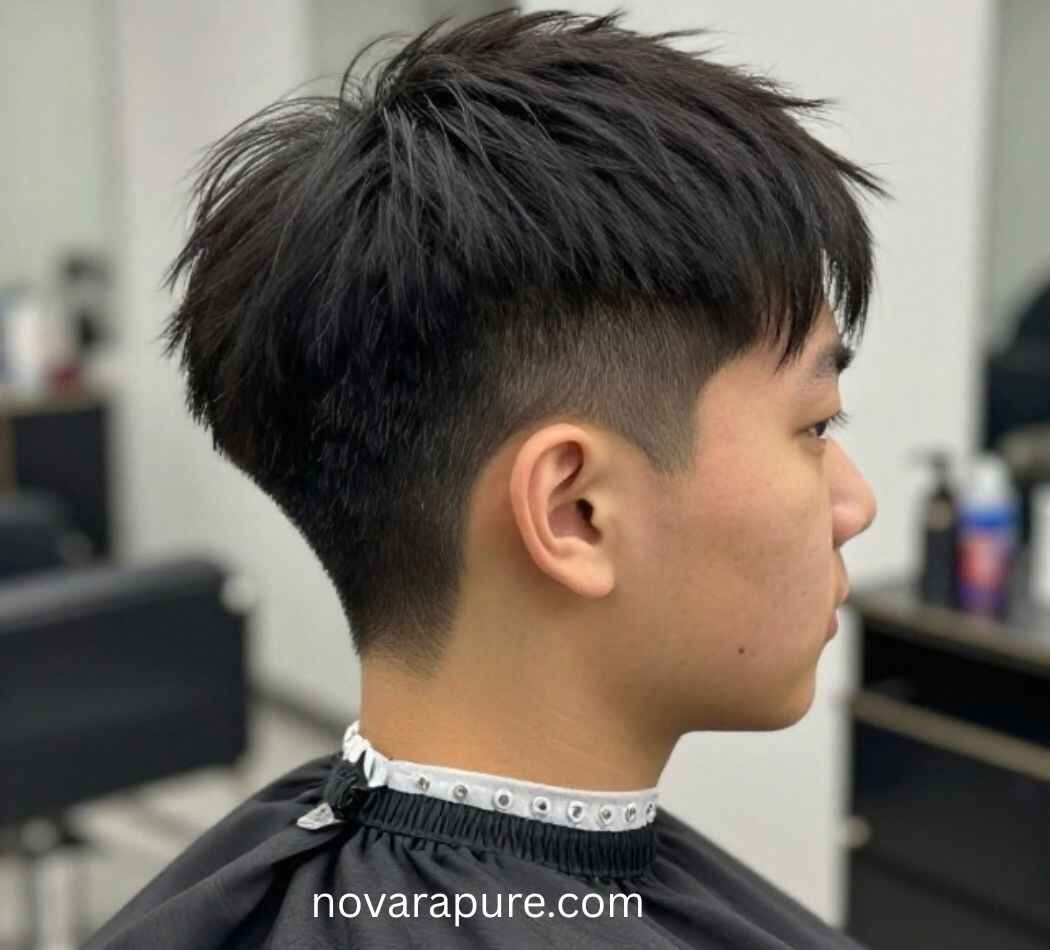
Let’s be clear from the start: a short hairdresser isn’t simply a stylist who happens to cut short hair. It’s a professional who has deliberately honed their craft around short silhouettes—pixies, bobs, bixies, crops, fades, and everything in between. These specialists understand the unique architecture of short hair in ways that generalist stylists often don’t.
The Technical Difference
When you cut long hair, small mistakes can be masked by length. A slightly uneven line? The weight of the hair pulls it into place. But with short hair, every cut is visible. The graduation, the layering, the perimeter line—it’s all on display. As celebrity hairstylist Dimitris Giannetos explains, “One of the most common mistakes when cutting a bob is adding too many layers. A bob has to be blunt, but at the same time, your stylist has to texturise the ends”. That balance between bluntness and texture is a skill that takes years to master.
Short hair specialists also understand growth patterns—how hair naturally falls, where cowlicks emerge, and how the hairline behaves at different lengths. This is why clients with short hair often report that a great stylist can “see” the final shape before making the first cut.
Why the Skills Gap Exists
Here’s the uncomfortable truth the industry doesn’t always advertise: many hairdressers are not confident with short hair. In Japan, where short hair specialization has become a recognized niche, industry insiders note that “the shorter the hair, the more the hair quality, growth habits, and head shape are reflected in the hairstyle, requiring technique and experience”. Because demand for short hair training is lower in many cosmetology programs, newer stylists often avoid it, creating an invisible skills gap that leaves clients frustrated.
The business implications are significant. As one industry analysis put it, “When teams avoid short hair, salons aren’t just missing a skill, they’re creating an invisible revenue leak”. Clients who want short cuts will go elsewhere—and they’ll return every six to eight weeks for maintenance.
The 2026 Short Hair Landscape: What Clients Are Asking For
Understanding current trends helps you communicate with your stylist and set realistic expectations. Here’s what’s dominating salon chairs in 2026:
The Bixie: 2026’s Breakout Cut
The bixie—a hybrid between a bob and a pixie—is the most requested short cut of the year. Toronto-based hairstylist Morgan Tully describes it as “an edgy in-between cut that blends soft texture with a clean, blunt perimeter”. Its appeal lies in its versatility: it’s short enough to feel light and liberating but long enough to allow for playful styling.
The bixie flatters a variety of face shapes—oval, heart, and round all benefit from its framing effect—and works particularly well on fine or medium hair that needs a boost in body. It’s also an excellent transitional style for growing out a pixie.
What to ask for: A cheekbone-length bixie with soft, piecey layers and subtle internal texture. Emphasize softness around the hairline and avoid anything too blunt.
Textured Pixies and Choppy Micro Cuts
The modern pixie in 2026 is more expressive than its predecessors. Think movement, micro-layers, feathered edges, and lived-in texture. This interpretation “frames the face beautifully, balancing structure with a hint of rebellious cool”. Whether styled sleek or air-dried, it carries a sense of motion and personality.
What to ask for: A textured pixie with choppy, disconnected layers. Request a bit of lift at the crown to create natural volume and dimension.
The Bob in All Its Iterations
The bob isn’t going anywhere. From the flip-flop bob to the blunt bob to the micro bob 2.0, stylists predict the bob will continue to dominate in 2026. The key trend? “Strong shapes with softness,” according to celebrity hairstylist Sky Kim.
The Wispy Pixie
Fall 2026’s trendiest cut is the wispy pixie—”a longer pixie with extra length through the top and around the face”—thanks to its “feminine, cool energy and surprising versatility”.
How to Find a Short Hair Specialist: A Practical Framework
Finding the right short hairdresser requires more than a Google search. Here’s a systematic approach that actually works.
Step 1: Look for Specialization, Not Generalization
Search for stylists who explicitly mention short hair in their bios, Instagram profiles, or salon websites. Look for hashtags like #shorthairspecialist, #pixiecut, #bobspecialist, or #precisioncutting combined with your city. The best short hair specialists have mastered precision cutting techniques and understand how to work with different hair textures and face shapes.
Step 2: Vet Their Portfolio with a Critical Eye
When reviewing a stylist’s Instagram or website, don’t just look at the polished after-shots. Ask yourself:
-
Do they show multiple angles? A great short cut looks good from the back, sides, and front.
-
Do they show different hair types? A stylist who only cuts one texture may not understand yours.
-
Do they show grow-out photos? This reveals whether the cut maintains its shape over time.
-
Is there consistency in lighting? Consistent lighting suggests a professional portfolio rather than cherry-picked shots.
Step 3: Book a Consultation Before the Cut
For dramatic changes, book a separate consultation appointment. A good short hair specialist will:
-
Ask about your hair history (color treatments, heat damage, previous cuts)
-
Discuss your lifestyle and maintenance preferences (how much time do you actually spend styling?)
-
Examine your hair texture, density, and growth patterns
-
Show you where the final length will sit using their fingers or a mirror
As one consultation expert advises, asking “Where do you want your shortest piece to fall?” while both stylist and client look in the mirror “eliminates guesswork”.
Step 4: Ask the Right Questions
Come prepared with specific questions. The best questions to ask a short hair stylist include:
-
“Can you show me where the final length will sit?” — This prevents miscommunication.
-
“How will this style look on a normal day—not just after a salon blowout?” — This sets realistic expectations.
-
“How often will I need trims to maintain this shape?” — Short cuts require more frequent maintenance than long hair.
-
“What products will I need, and can you show me how to style it?” — A great stylist will demo the styling process.
-
“What’s the backup plan if I want to grow it out?” — This reveals whether the stylist has thought about the long game.
Common Mistakes and How to Avoid Them
Even with a good stylist, short hair disasters happen. Here are the most common mistakes—and their solutions.
Mistake #1: Going Too Short, Too Soon
This is the single biggest regret among bob clients. As one trained hairstylist puts it, “The biggest mistake people can make when cutting a bob after having super long hair is going too short initially”. The solution? Start longer than you think you want. Think of a lob as your training wheels—you can always take more off, but you can’t glue it back on.
Mistake #2: Showing Photos That Don’t Match Your Hair
“One of the biggest mistakes is showing a picture of a haircut that doesn’t match your hair type, face shape, or lifestyle,” warns hairstylist Sean Michael. A blunt bob on fine hair versus thick hair is a completely different look and maintenance level. Bring multiple reference photos, and be honest about which ones match your actual hair texture.
Mistake #3: Over-Layering
A bob should be blunt with texturized ends—not over-layered. “A bob has to be blunt, but at the same time, your stylist has to texturise the ends,” Giannetos explains. If the hair is very fine, he doesn’t recommend using a razor. Communicate clearly: you want softness at the ends, not thinning throughout.
Mistake #4: Underestimating Maintenance
Short hair requires more frequent trims than long hair. A pixie needs trimming every six to eight weeks; some buzz cuts need touch-ups every two to four weeks. As one stylist notes, “Eight weeks will give you about an inch of growth, which can look very long on a pixie cut”. Budget your time and finances accordingly.
Mistake #5: Not Speaking Up During the Cut
If you hate what’s happening while you’re still in the chair, say something. “Sometimes it’s just a styling tweak or small adjustment that can completely change how it looks,” Michael says. “We’d much rather help fix it than have you live with a haircut you’re unhappy with”.
Pros, Cons, and Balanced Analysis
The Case for Seeing a Short Hair Specialist
Pros:
-
Precision results: Specialists understand the technical demands of short cuts—graduation, disconnection, clipper work, and texture.
-
Better communication: They ask the right questions and can show you exactly where the cut will fall.
-
Grow-out expertise: They design cuts that maintain their shape as hair grows, extending time between appointments.
-
Style education: They teach you how to recreate the look at home with the right products and techniques.
Cons:
-
Higher cost: Specialists often charge premium rates for their expertise.
-
Limited availability: True short hair specialists are rare in many markets.
-
Longer booking windows: Popular specialists may have waitlists.
Is It Worth It?
For anyone committed to short hair long-term, absolutely. A great short cut isn’t just a haircut—it’s a shape that defines your entire look for weeks. The difference between a competent cut and an exceptional one is the difference between “I need to wash my hair every day” and “This looks great even on day four.”
That said, if you’re simply experimenting with a slightly shorter lob, a skilled generalist may suffice. The key is honesty about your commitment level and your hair’s needs.
The Future of Short Hairdressing: Trends and Predictions
Specialization Will Become the Norm
As the bixie, pixie, and micro bob continue to dominate, more stylists will niche down. The success stories are already emerging—stylists who specialize exclusively in short hair report higher client retention and stronger brand identity.
Clipper Work Is Making a Comeback
Short hair specialists are increasingly incorporating clippers into their toolkit—not just for fades, but for creating definition and volume. “The benefits of using clippers is that they create thickness, definition, and volume, especially on fine hair,” says stylist Charlie Illi.
Technology-Enhanced Consultations
Expect more stylists to use digital tools—face-shape analysis apps, 3D hair visualization, and AI-powered style matching—to improve consultation accuracy.
Growing Demand for Inclusive Expertise
Short hair is not one texture. As more stylists train in curl-specific short cutting and diverse hair types, the specialist market will expand beyond straight-hair-centric techniques.
Key Takeaways
-
Short hairdressers are specialists, not generalists. They possess technical skills in precision cutting, graduation, and clipper work that generalist stylists often lack.
-
2026’s biggest short cuts are the bixie, textured pixie, and soft bob. Know what to ask for and bring realistic reference photos.
-
Vet your stylist’s portfolio critically. Look for multiple angles, diverse hair types, and grow-out photos.
-
Communicate with specificity. Use fingers to show length, ask where the shortest piece will fall, and be honest about your daily styling routine.
-
Start longer than you think you want. You can always take more off—but you can’t put it back.
-
Budget for maintenance. Short hair needs trims every six to eight weeks for pixies and bobs, more frequently for very short cuts.
-
The right specialist transforms the experience. From consultation to styling education, a short hair expert makes the entire process—and the weeks that follow—dramatically better.
Frequently Asked Questions
How do I know if a stylist is truly a short hair specialist?
Look for explicit mentions in their bio—”short hair specialist,” “pixie and bob expert,” or “precision cutting.” Review their portfolio for multiple short-hair clients across different textures. When in doubt, book a consultation and ask directly about their training and experience with your specific hair type.
How often should I get my short hair trimmed?
It depends on the style. Pixies and bobs typically need trims every six to eight weeks. Very short cuts, like buzz cuts or close crops, may need touch-ups every two to four weeks. Your stylist should recommend a maintenance schedule during your consultation.
What should I bring to my first appointment with a short hair specialist?
Bring multiple reference photos—at least three—that show different angles and similar hair textures to yours. Also bring photos of styles you don’t like, as this helps your stylist understand your boundaries. Be honest about your hair history (color, heat damage, previous cuts) and your daily styling routine.
Can I go short if I have fine hair?
Yes—short hair can actually be an excellent choice for fine hair. A well-cut bixie or pixie can create volume and movement that long hair lacks. The key is avoiding over-layering, which can make fine hair look thinner. As one stylist advises, “Keep it all one length instead of cutting in too many layers”.
What if I get a bad short haircut?
First, communicate with your stylist. Often, a small adjustment or styling tweak can fix the issue. If you need to grow it out, keep up with regular trims every four to six weeks to reshape the cut as it grows. Adding texture, bangs, or face-framing can help disguise awkward grow-out phases.
Is it more expensive to see a short hair specialist?
Specialists often charge premium rates because of their advanced skill set. However, the investment can be worth it in terms of cut quality, longevity, and reduced need for corrective appointments. Prices vary widely by market—anywhere from $45 to $150+ for a short haircut depending on location and stylist reputation.
Sources
-
Bangstyle, “2026’s Cut Forecast: The Shapes and Textures Stylists Expect Everyone to Ask For this Year,” January 2026.
-
The Kit, “The Hottest Haircuts for 2026 Have Something in Common,” January 2026.
-
Grazia Magazine, “The Bixie Is Officially the Most Coveted Haircut of 2026,” October 2026.
-
Hairdressers Journal International (HJI), “The Bixie: The Short Hair Trend Every Stylist Should Know,” July 2026.
-
Harper’s Bazaar India, “So You Got a Bad Bob. Now What?” August 2025.
-
Cosmopolitan, “The Biggest Bob Haircut Regret, According to Hairstylists,” May 2026.
-
Kiri-me, “Best Short Hair Specialists in NYC,” September 2026.
-
Creative HEAD Magazine, “Why The Short Hair Skills Gap Is A Business Problem.”
-
American Salon, “Start With a Bang: Fringe-First Cutting” and consultation technique guides.
-
Elle, “Got a Pixie Cut? These Tips Keep It Styled With Almost No Effort,” July 2025.
-
Vogue, “The Best Celebrity Bobs and Chops of 2026,” March 2026.
-
InStyle, “6 Short Hairstyles Trending for 2026, According to Experts,” February 2026.

Novara Lin
Senior Editor & Clean Beauty Analyst
Novara Lin is a clean beauty researcher and wellness editor dedicated to demystifying modern skincare and evidence-based living. With a background in formulation science and consumer health reporting, she specializes in analyzing complex ingredient profiles, evaluating product safety, and bridging the gap between clinical research and daily self-care routines. Her work focuses on helping readers cut through industry noise to build minimal, highly effective routines rooted in transparency and skin health. When she isn’t testing active formulations or auditing non-toxic household choices, Novara leads editorial strategy for NovaRa Pure.