
We Tested:
What happens when a virus that normally lurks in rodent droppings boards a luxury cruise ship? In May 2026, the world found out.
The MV Hondius, a Dutch-flagged expedition vessel sailing from Argentina toward Cape Verde, became the center of an international health emergency when a cluster of severe respiratory illness swept through passengers and crew. Within days, the World Health Organization confirmed the culprit: Andes virus, a type of hantavirus—and the only one known to spread between humans. By the time the outbreak was declared over on July 2, 2026, 13 people had been infected across multiple countries, and three had died.
If you’re searching for “hastovenetor,” you’ve likely encountered this story or seen the term in health discussions. The truth is that “hastovenetor” is not a recognized medical term—it appears to be a misspelling or phonetic rendering of hantavirus (sometimes written as “hanta virus”). What matters is understanding the real threat behind the confusion: a family of viruses that causes two distinct and potentially deadly diseases, and one specific strain that just demonstrated it can travel the world on a cruise ship.
This guide cuts through the noise. Whether you’re a traveler, a healthcare professional, or simply someone who wants to understand the headlines, you’ll find clear answers here—no panic, no jargon, just the facts and the context you need.
What Is Hantavirus? The Basics You Need to Know
A Virus with Two Faces
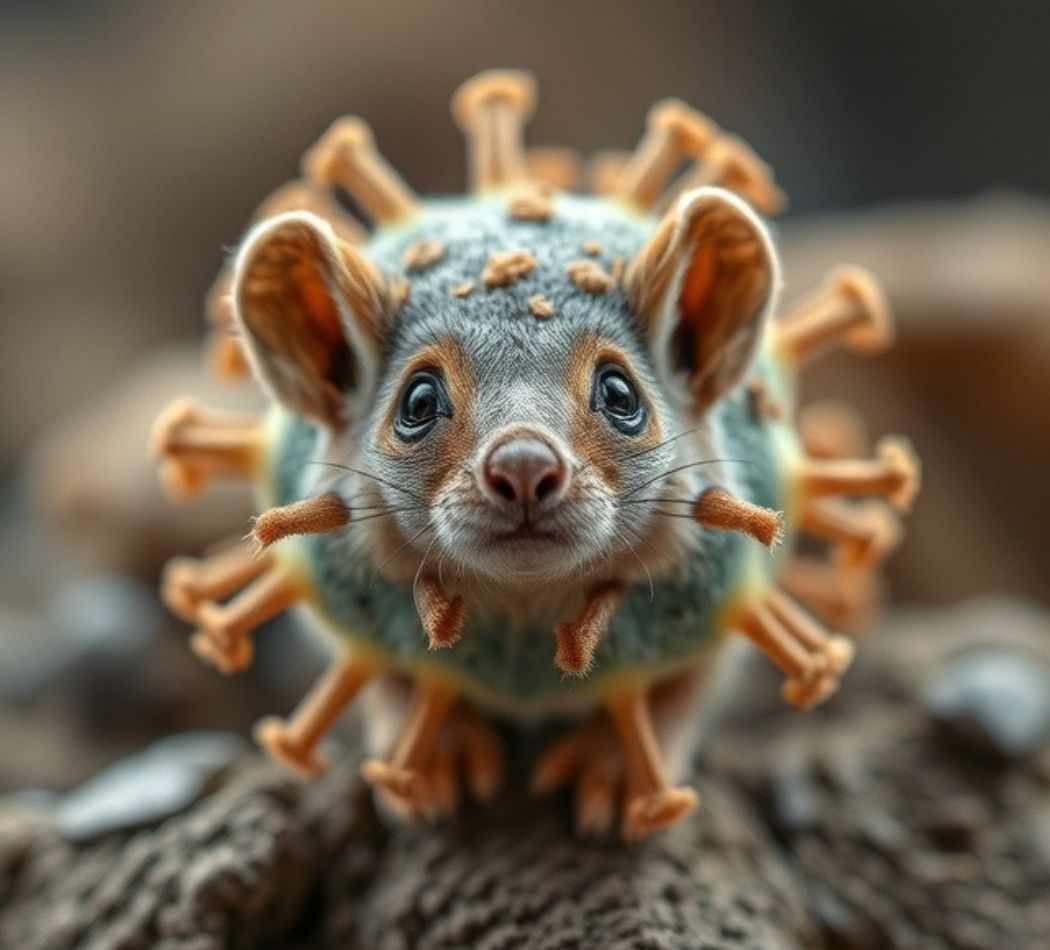
Hantaviruses are a group of viruses primarily carried by wild rodents—mice, rats, and voles. They don’t make the rodents sick, but when humans inhale contaminated particles from rodent urine, feces, or saliva, the consequences can be severe.
The virus manifests in two major clinical syndromes, depending on where in the world you encounter it:
1. Hemorrhagic Fever with Renal Syndrome (HFRS)
Predominant in Europe and Asia (the “Old World”), HFRS is caused by viruses like Hantaan and Seoul. It attacks blood vessels and kidneys, leading to fever, bleeding, and acute kidney injury. The case fatality rate ranges from less than 1% to 15%, depending on the specific virus.
2. Hantavirus Cardiopulmonary Syndrome (HCPS)
Found in the Americas (the “New World”), HCPS—also called hantavirus pulmonary syndrome (HPS)—is the more lethal form. It begins with flu-like symptoms but rapidly progresses to fluid buildup in the lungs and heart failure. Mortality rates can reach 35–40% for some strains.
The Andes Virus Exception
Most hantaviruses spread only from rodents to humans. Person-to-person transmission is essentially unheard of—except for Andes virus (ANDV).
ANDV, endemic to southern Argentina and Chile, is the primary cause of HCPS in South America. It is the only hantavirus with confirmed human-to-human transmission, typically occurring after close or prolonged contact. This distinction is what made the 2026 cruise ship outbreak so alarming—and why it required a global response.
The 2026 MV Hondius Outbreak: A Timeline
Understanding what happened aboard the MV Hondius matters because it reveals how a rare virus can become an international incident.
May 2, 2026: The World Health Organization was notified of a cluster of severe acute respiratory illness among passengers and crew on a cruise ship in the Atlantic Ocean. Two deaths had already occurred, and one critically ill passenger tested positive for hantavirus.
6 May, 2026: Molecular testing confirmed the pathogen as Andes virus.
11 May, 2026: WHO reported nine cases (seven confirmed, two suspected), including three deaths.
May–June 2026: More than 650 contacts across 33 countries and territories were monitored. Spain identified 16 high-risk contacts, two of whom developed infection.
2 July, 2026: WHO Director-General Tedros Adhanom Ghebreyesus officially declared the end of the Andes virus outbreak.
Why This Outbreak Was Different
Three factors made the MV Hondius event unusual:
-
Human-to-human transmission in a mobile population. ANDV’s ability to spread between people, even inefficiently, becomes a contact-tracing nightmare when those people are disembarking in ports around the world.
-
The setting. Cruise ships are closed environments with shared ventilation and close quarters—conditions that amplify respiratory transmission.
-
The initial ambiguity. Early symptoms of hantavirus are nonspecific (fever, fatigue, muscle aches), easily mistaken for influenza or COVID-19. By the time severe respiratory distress appears, the virus has already had days to spread.
The outbreak was contained, but it exposed a gap: global preparedness for rodent-borne viruses that can occasionally jump between humans.
How Hantavirus Spreads: Beyond the Rodent Droppings
The Primary Route: Environmental Exposure
For the vast majority of hantavirus infections, the story begins with rodents. Infected rodents shed the virus in urine, feces, and saliva. When these materials dry, they can become airborne as contaminated dust. Inhaling that dust—especially in enclosed spaces like cabins, sheds, or barns—is the most common route of infection.
Other routes include:
-
Touching contaminated surfaces and then touching your eyes, nose, or mouth
-
Rodent bites or scratches (rare)
-
Eating contaminated food (very rare)
The Andes Virus Exception: Person-to-Person
ANDV changes the equation. Studies of outbreaks in Argentina and Chile have documented limited secondary transmission among close contacts—family members, caregivers, and, in the 2026 case, fellow travelers. This doesn’t mean ANDV spreads like measles. It requires prolonged, close contact. But it does mean that a single infected traveler can seed cases in multiple countries before symptoms even appear.
What Doesn’t Spread Hantavirus
You cannot get hantavirus from:
-
Another person (except ANDV, in rare close-contact scenarios)
-
Mosquitoes, ticks, or other insects
-
Pets (unless they’ve been in direct contact with wild rodents)
-
Casual contact with someone who is infected (for non-ANDV strains)
This distinction matters for public health messaging. Overreacting to casual contact wastes resources; underreacting to close-contact transmission risks missing cases.
Symptoms and Clinical Course: What to Watch For
Hantavirus disease progresses in phases, and recognizing the transition from “flu-like” to “emergency” is critical.
Early Phase (Days 1–5): The Flu That Isn’t
Initial symptoms are frustratingly generic:
-
High fever
-
Severe muscle aches (especially in the thighs, hips, and back)
-
Headache
-
Fatigue
-
Nausea, vomiting, or diarrhea
-
Abdominal pain
These symptoms last three to five days and are often dismissed as a cold or flu.
Late Phase (Days 5–10): The Turn
For HCPS, the critical transition occurs when the virus attacks the capillaries in the lungs. Fluid leaks into the air sacs, causing:
-
Rapid breathing and shortness of breath
-
Cough (sometimes with fluid)
-
Low blood pressure
-
Rapid heart rate
-
Chest tightness
This phase can deteriorate within hours. Mechanical ventilation and, in severe cases, ECMO (extracorporeal membrane oxygenation) may be required.
For HFRS, the late phase involves kidney failure, bleeding, and shock. The course is divided into five phases: febrile, hypotensive, oliguric (low urine output), diuretic, and convalescent.
When to Seek Emergency Care
If you’ve had rodent exposure or close contact with a confirmed ANDV case and develop fever followed by respiratory symptoms, seek medical care immediately. Early supportive care improves outcomes. There is no specific antiviral treatment—management is supportive, focusing on oxygen, blood pressure support, and organ function.
Prevention: Practical Steps That Actually Work
At Home: Rodent-Proofing Your Space
The most effective prevention is reducing contact with rodents.
Seal entry points. Mice can squeeze through holes the size of a pencil. Check gaps around pipes, vents, doors, and foundations.
Store food securely. Use airtight containers for food, pet food, and garbage.
Clean safely. If you find rodent droppings:
-
Do not sweep or vacuum—this aerosolizes the virus.
-
Wear gloves and a mask.
-
Spray the area with a disinfectant or bleach solution.
-
Wipe up with paper towels and dispose of them in a sealed bag.
-
Wash hands thoroughly afterward.
While Traveling: Risk-Aware Behavior
The 2026 outbreak doesn’t mean you should cancel your cruise. It means being aware.
-
Avoid areas with visible rodent activity.
-
Don’t handle wild rodents or their nests.
-
If camping or staying in rustic cabins, seal tents and food containers.
-
Practice hand hygiene, especially after outdoor activities.
For Healthcare Workers: Isolation Precautions
Suspected or confirmed ANDV cases require airborne, droplet, and contact precautions. N95 respirators, eye protection, and strict environmental cleaning are recommended.
Common Mistakes and Misconceptions
Mistake #1: “Hantavirus is just a Southwest US problem.”
HCPS was first identified in the Four Corners region of the US in 1993, but hantaviruses exist worldwide. HFRS is a major public health issue in China, Russia, and Scandinavia.
Mistake #2: “If I don’t see rodents, I’m safe.”
Rodent droppings and urine can contaminate dust without any visible rodents. Old cabins, sheds, and garages are common exposure sites.
Mistake #3: “Hantavirus spreads easily between people.”
Only ANDV has documented human-to-human transmission, and it requires close, prolonged contact. Casual contact is not a significant risk.
Mistake #4: “There’s a vaccine.”
There is no licensed vaccine for hantavirus in most countries. China has used inactivated vaccines for HFRS, but they are not globally available. Treatment is supportive.
Mistake #5: “The cruise ship outbreak means a pandemic is coming.”
WHO and independent experts assessed the pandemic risk as low. The outbreak was contained through contact tracing and isolation. ANDV does not spread efficiently enough to cause a global pandemic.
Pros and Cons: A Balanced Look at the Current State of Hantavirus Response
Strengths
-
Rapid identification. The MV Hondius outbreak was identified and characterized within days, thanks to molecular diagnostics.
-
International coordination. WHO, national health agencies, and research networks collaborated effectively.
-
Established infection control protocols. Airborne precautions, contact tracing, and isolation measures worked.
Gaps
-
No specific treatment. Supportive care is the only option; antiviral candidates like ribavirin and favipiravir remain experimental.
-
No widely available vaccine. Development efforts are ongoing but face funding and market challenges.
-
Delayed recognition. Early symptoms mimic common illnesses, delaying diagnosis and isolation.
-
Genomic surveillance gaps. The first genomic evidence of reassortment in ANDV was only reported in September 2026—after the outbreak.
The Balance
The 2026 outbreak demonstrated that the global health system can contain a hantavirus event. It also showed that containment depends on luck as much as systems: the ship was identified, the virus was sequenced, and the contacts were traceable. A less cooperative scenario—a larger ship, a slower diagnosis—could have been far worse.
Future Trends and Predictions
1. Genomic surveillance will become routine.
The discovery of reassortment in ANDV—where genetic segments from different geographic regions combined—suggests the virus is evolving. Full-genome sequencing will be essential for tracking these changes.
2. Vaccine development will accelerate.
The 2026 outbreak renewed interest in ANDV vaccines. mRNA platforms, already proven for COVID-19, are being explored for hantaviruses.
3. Climate change will shift rodent habitats.
As temperatures rise and rainfall patterns change, rodent populations may expand into new areas, bringing hantaviruses with them. This is already being observed in parts of Europe and Asia.
4. Travel medicine will adapt.
Cruise lines and expedition operators are likely to incorporate hantavirus awareness into pre-boarding health screening and onboard protocols.
5. Point-of-care diagnostics will improve.
Rapid tests for ANDV and other hantaviruses are in development, which could enable earlier isolation and treatment.
Key Takeaways
-
“Hastovenetor” is not a medical term. It is almost certainly a misspelling of hantavirus, a group of rodent-borne viruses.
-
Andes virus is the exception. It is the only hantavirus with confirmed human-to-human transmission, and it caused the 2026 MV Hondius cruise ship outbreak.
-
The 2026 outbreak was contained. 13 cases, 3 deaths, and more than 650 contacts monitored across 33 countries. WHO declared the outbreak over on July 2, 2026.
-
Symptoms start generic and become severe. Fever, muscle aches, and fatigue precede respiratory distress or kidney failure. Early medical care is critical.
-
Prevention is about rodent control. Seal entry points, store food securely, and clean droppings safely—never sweep or vacuum.
-
There is no specific treatment or widely available vaccine. Supportive care is the mainstay.
-
The pandemic risk is low, but vigilance is warranted. ANDV does not spread efficiently enough for a pandemic, but mobile populations can turn a local outbreak into a global contact-tracing challenge.
Frequently Asked Questions
Q: Is “hastovenetor” a real virus?
A: No. “Hastovenetor” is not a recognized medical term. It is likely a misspelling or phonetic rendering of hantavirus. If you encountered the term online, it was probably in the context of the 2026 hantavirus outbreak.
Q: Can hantavirus spread from person to person?
A: Only Andes virus (ANDV) has confirmed human-to-human transmission, and it requires close, prolonged contact. Other hantaviruses spread only from rodents to humans.
Q: How deadly is hantavirus?
A: Mortality varies by strain. HFRS ranges from less than 1% to 15%. HCPS, caused by New World hantaviruses like ANDV, can have a mortality rate of 35–40% or higher.
Q: Is there a vaccine for hantavirus?
A: There is no licensed vaccine for hantavirus in most countries. China has used inactivated vaccines for HFRS, but they are not globally available.
Q: Should I cancel my cruise because of the 2026 outbreak?
A: The outbreak was declared over on July 2, 2026. The risk to travelers is very low. Standard hygiene and avoiding rodent contact are sufficient precautions.
Q: How is hantavirus diagnosed?
A: Diagnosis is typically confirmed through molecular testing (PCR) or serology (antibody detection) in specialized laboratories.
Q: What should I do if I think I’ve been exposed?
A: Monitor for symptoms for 1–8 weeks (the incubation period). If fever or respiratory symptoms develop, seek medical care immediately and inform your provider of the potential exposure.
Sources
-
Pan American Medical Society. “Multi-country Hantavirus Cluster Linked to Cruise Ship.” May 12, 2026.
-
Journal of Infection. “First genomic evidence of reassortment in Andes virus.” September 24, 2026.
-
ANRS MIE. “Cellule Émergence hantavirus.” August 13, 2026.
-
Boletín Epidemiológico Semanal. “Brote de hantavirus Andes vinculado a un crucero transatlántico.” 2026.
-
Healthy Travel. “WHO erklärt Hantavirus-Ausbruch auf Kreuzfahrtschiff für beendet.” July 2, 2026.
-
Emerging Microbes & Infections. “Hantavirus preparedness at human–rodent interfaces.” 2026.
-
SA Health. “Hantavirus – including symptoms, treatment and prevention.” May 29, 2026.
-
Nature. “Hantavirus: biology, immune responses, and pathogenesis.” September 14, 2026.
-
WHO Disease Outbreak News. “Hantavirus cluster linked to cruise ship travel, Multi-country.” 2026.

Novara Lin
Senior Editor & Clean Beauty Analyst
Novara Lin is a clean beauty researcher and wellness editor dedicated to demystifying modern skincare and evidence-based living. With a background in formulation science and consumer health reporting, she specializes in analyzing complex ingredient profiles, evaluating product safety, and bridging the gap between clinical research and daily self-care routines. Her work focuses on helping readers cut through industry noise to build minimal, highly effective routines rooted in transparency and skin health. When she isn’t testing active formulations or auditing non-toxic household choices, Novara leads editorial strategy for NovaRa Pure.