
We Tested:
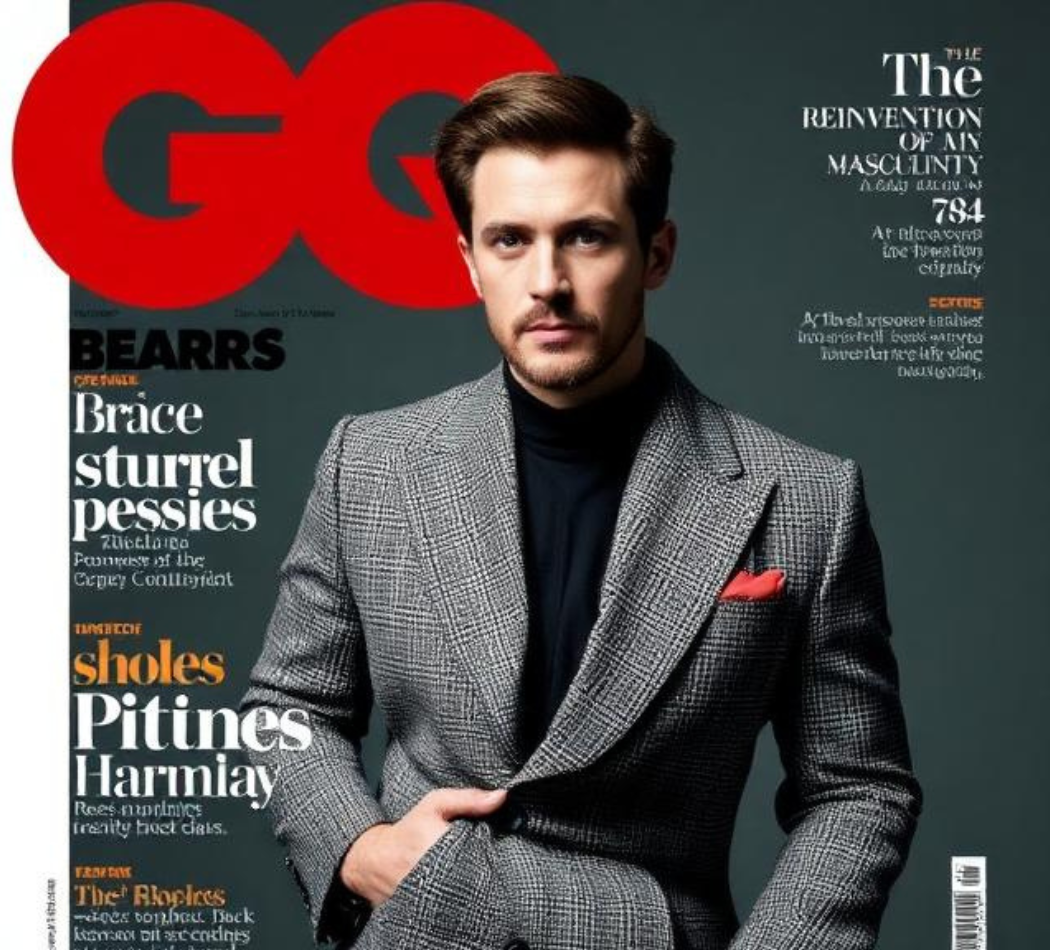
Walk into any premium hotel lobby in Seoul, London, or São Paulo. On the coffee table, alongside the art books and architecture monographs, you’ll often spot it: the distinctive serif logo, the provocative cover imagery, the promise of a world where style and substance collide. GQ Magazine has been that ubiquitous presence for generations—but the brand behind those pages has undergone a seismic transformation that most casual readers never see.
In February 2026, Condé Nast announced that Adam Baidawi would become GQ’s new Global Editorial Director, succeeding Will Welch after seven transformative years. At 35, Baidawi is the same age as many of the cultural figures GQ covers. He’s Iraqi-Australian, a former New York Times correspondent, and a man who once read GQ as a teenager in suburban Melbourne, dreaming of the world it represented.
His appointment isn’t just a masthead shuffle. It signals GQ’s next chapter: a magazine that must simultaneously honor its 95-year heritage as a men’s style authority, navigate the cultural minefield of modern masculinity, and compete for attention in an ecosystem where a YouTube channel might matter more than a newsstand placement.
This is the story of how a magazine that started as a fashion trade journal for wholesale buyers became a global cultural force—and why its current evolution matters far beyond the fashion industry.
From Apparel Arts to Cultural Authority: A Brief History
The Humble Origins (1931-1957)
GQ didn’t begin as a magazine for men who wanted to dress well. It began as Apparel Arts, a trade publication launched in 1931 aimed exclusively at clothing wholesalers and retail sellers who needed to advise their customers on style. The publication had a limited print run—it wasn’t meant for public consumption. But something unexpected happened: retail customers started taking the magazines from stores, fascinated by the fashion guidance inside.
This unintended audience demand directly inspired the creation of Esquire in 1933. Apparel Arts continued as a trade quarterly until 1957, when it was transformed into Gentlemen’s Quarterly—a publication for actual consumers, not just industry insiders. The name was shortened to GQ in 1958, and a legend was born.
The Condé Nast Era and the Cooper Revolution (1979-2000s)
The modern GQ took shape in 1979 when Condé Nast Publications acquired the title and editor Art Cooper fundamentally redirected its course. Cooper expanded beyond fashion into general men’s interest—politics, culture, profiles of powerful figures. This wasn’t just a style magazine anymore; it was a magazine about how to be a man in the broadest sense.
Under subsequent editors, GQ became closely associated with metrosexuality—a term coined by writer Mark Simpson in a 1994 article about a GQ exhibition in London. The magazine had helped normalize the idea that straight men could care deeply about fashion, grooming, and aesthetics without compromising their masculinity.
The Welch Era: New Masculinity and Digital Transformation (2019-2026)
When Will Welch took over as editor-in-chief in 2019, he inherited a magazine with a storied past but an uncertain future. Print circulations were declining industry-wide. The cultural conversation around masculinity was shifting dramatically in the wake of #MeToo.
Welch’s response was audacious: the November 2019 “New Masculinity” issue, featuring Pharrell Williams on the cover wearing what Welch described as a “giant yellow puffer gown”. The cover line read: “An Exploration of Identity, Culture, and Style in 2019.”
The issue wasn’t about telling men who to be—it was about celebrating the diverse, defiantly nontraditional forms of masculinity emerging from subcultures and going mainstream. As Welch later wrote, it became “our blueprint for a whole new approach to GQ.”
Welch also drove GQ’s digital evolution. He told The New York Times in 2025 that he realized “a whole new generation” recognized GQ not as a print magazine but as a YouTube channel—one known for “gamified, simplistic celebrity content”. His response was to bring more depth and journalistic rigor to the channel, including longer-form celebrity interviews.
The 2026 Leadership Transition: What Baidawi Brings
Who Is Adam Baidawi?
Adam Baidawi’s path to GQ’s top job is a testament to the magazine’s global reach and its ability to cultivate talent from unexpected places.
-
Early career: Started as a music writer and freelancer for GQ Australia
-
New York Times: Served as Australia correspondent
-
GQ Middle East: Named Editor-in-Chief in 2018 at age 28—the youngest-ever editor of any GQ edition
-
British GQ: Led as Head of Editorial Content since 2021, while serving as Deputy Global Editorial Director
-
Track record: Doubled revenue on flagship events including Men of the Year and GQ Heroes; oversaw covers with Paul Mescal, Malala Yousafzai, Charli XCX, Mo Salah, and others
What Anna Wintour Sees in Him
Condé Nast’s Chief Content Officer Anna Wintour offered a characteristically sharp assessment: “Adam makes perfect sense to lead GQ because he’s a writer and journalist first—a cultural thinker at a time when the culture needs to be thought through, and even interrogated a little.”
That phrase—”interrogated a little”—is telling. GQ’s next chapter won’t be about playing it safe. Wintour’s endorsement suggests she wants a GQ that challenges its readers, not just comforts them.
Baidawi’s Vision: “North Star of Masculinity”
In his statements following the appointment, Baidawi articulated an ambitious vision. He told The New York Times he wants GQ to be a “North Star of masculinity”—a guiding light in a cultural moment where many men feel adrift.
“GQ has remarkable power to define the conversations around style, culture and masculinity,” Baidawi said. “I look forward to using that power in new and surprising ways.”
His first print issue as Global Editorial Director will be September 2026—a symbolic debut that signals a fresh start for the magazine’s flagship edition.
The Global GQ Network: 20+ Editions, One Brand
How GQ Went Worldwide
The original American GQ spawned its first international edition—British GQ—in 1988. Rapid expansion followed in the 2000s and 2010s: GQ Japan, GQ France, GQ China, GQ Australia, GQ India, GQ Middle East, and more.
By 2021, there were 21 unique editions globally. But as Welch noted at the time, these editions operated in silos—”which, in an increasingly globalized world, was a little like having access to an incredible superpower and choosing not to use it”.
The September 2021 issue changed that. Seventeen international editions simultaneously published a cover featuring The Weeknd. All 21 co-produced a portfolio called “Voices of the Future” spotlighting emerging musicians, each nominated by a different edition. It was GQ’s “worldwide era”—a coordinated global content strategy that had never existed before.
The China Relaunch and Singapore Debut (2026)
Two major developments in 2026 demonstrate GQ’s continued global ambitions:
China Relaunch (January 2026): After a period of operational disruption, Condé Nast partnered with Nanfang Media Group to relaunch GQ in China as Jingying GQ. The debut issue featured Jackson Wang and NBA star Shai Gilgeous-Alexander, with styling by TikTok’s “best-dressed man,” Wisdom Kaye. As Anna Wintour noted, the relaunch celebrated “creativity on the ground” while connecting Chinese menswear designers to global audiences.
Singapore Launch (Fall 2026): GQ expanded to Singapore through a licensing partnership with Paradigm Media, founded by industry veteran Jumius Wong. The edition promises “a nuanced, forward-looking take on contemporary masculinity tailored to the Singaporean reader,” launching digitally first, then in print with eight issues annually.
GQ now operates in more than 20 markets worldwide—a truly global brand with local relevance.
Print in the Digital Age: GQ’s Counterintuitive Bet
The Data: What’s Actually Happening to Print
While headlines regularly declare the death of print, GQ’s global editions are experimenting with a different approach: fewer, better issues.
According to UK circulation data for 2025, British GQ averaged 69,022 copies per issue across eight issues, with 67% of circulation “actively purchased”. The December/January 2026 issue sold 60,520 copies with an impressive 95% actively purchased rate—suggesting strong reader engagement rather than passive newsstand browsing.
GQ India’s Playbook: “Print Has to Offer Something Different”
Perhaps no edition better exemplifies the premium print strategy than GQ India. Head of Editorial Content Che Kurrien explained the philosophy simply: “Print couldn’t compete by becoming more frequent. It had to become more valuable.”
GQ India cut its print frequency to six issues per year, but upgraded production quality, introduced subscriber-only jackets, and pursued artist collaborations and special-edition packaging.
The results were striking: A BTS cover edition sold out on Amazon India within minutes and required multiple reprints. It became the top-selling title in Amazon’s Books category for an entire month—the first time a magazine achieved that feat in India.
“Digital is everywhere,” Kurrien said. “Print has to offer something different—a sense of permanence, craftsmanship and ownership.”
The Subscription Shift
GQ India also reported significant subscription growth: 40% increase in 2025, followed by 15% growth in 2026. The publication now services over 1,700 pincodes across India. This shift from one-off newsstand sales to recurring subscriber relationships reflects a broader industry recognition that engaged communities are more valuable than passive audiences.
The New Masculinity Conversation: GQ’s Central Tension
The 2019 Blueprint and Its Aftermath
The “New Masculinity” issue was a cultural event, but it also created a framework that GQ has been navigating—and sometimes wrestling with—ever since.
In a 2025 editor’s letter introducing a special issue on American masculinity starring Glen Powell, Welch acknowledged the complexity: “We are now, obviously, in the second Trump administration. Life feels…chaotic. And there are op-ed headlines, almost daily, declaring that we’ve swung back to a retrograde form of masculinity.”
Welch pushed back against the idea that masculinity is “a simple pendulum that swings dumbly from toxic to woke and back again.” Instead, he argued that the New Masculinity’s promise of freedom—of becoming “the most elevated version of ourselves”—requires self-awareness and emotional work that many men find difficult.
The 2025 State of the American Male Study
For the 2025 special issue, GQ surveyed 1,929 American men of all ages, asking the same questions they’d asked in 2019 plus new ones, to trace shifts in attitudes, preferences, and points of view. The magazine also examined the influence of plastic surgeons and podcasters on masculine body ideals—a topic that would have seemed absurd for a men’s magazine to cover a generation ago.
Beyond the Binary: What GQ Actually Advocates
Contrary to caricatures from both left and right, GQ’s editorial position isn’t about prescribing a single “correct” masculinity. It’s about expanding the range of acceptable masculine expression while maintaining the magazine’s core promise: helping men look good, feel confident, and engage meaningfully with culture.
This manifests in the mix of content: high fashion alongside sports, serious journalism alongside celebrity profiles, grooming advice alongside political commentary. The through-line is intelligence and taste—the assumption that GQ’s reader wants to be challenged, not just entertained.
Practical Guide: How to Actually Use GQ (Beyond the Cover)
For Style and Grooming
GQ’s fashion and grooming coverage remains the brand’s foundation. The GQ Recommends vertical and YouTube channel offer product recommendations, styling tips, and reviews. Senior Style Writer Cam Wolf and Style Commerce Editor Avidan Grossman cover everything from pants to beauty products. Grooming writer Adam Hurly has been covering men’s grooming since 2016.
Actionable tip: The “Best Stuff” lists and seasonal style guides are genuinely useful for building a wardrobe or upgrading a grooming routine. Start there if you’re new to the brand.
For Cultural Engagement
GQ’s long-form journalism and celebrity profiles remain its editorial heart. Global Director of Content Development Daniel Riley oversees the magazine’s “most ambitious and award-winning editorial projects,” having profiled figures from Timothée Chalamet to Jeff Koons.
Actionable tip: The “New Masculinity” and “State of the American Male” issues are excellent entry points for understanding GQ’s cultural perspective. They’re available in the digital archive.
For Community and Events
GQ’s Men of the Year franchise has become a cultural fixture across global markets. GQ Heroes, launched in India as a two-day retreat, represents a different approach—”almost an anti-event,” as Kurrien described it, focused on “meaningful conversations, ideas and human connection” rather than spectacle.
Actionable tip: If you’re in a market with an active GQ edition, these events offer genuine networking and cultural engagement opportunities, not just red-carpet photo ops.
Common Challenges and How GQ Addresses Them
Challenge 1: Print vs. Digital Identity
The tension: A generation of readers knows GQ primarily as a YouTube channel or Instagram account, not a magazine.
GQ’s response: Rather than fighting this perception, Welch and now Baidawi have embraced it. The YouTube channel has evolved toward longer, more journalistic content. The magazine’s digital platforms serve as both a discovery mechanism and a destination for deeper engagement.
Challenge 2: Cultural Polarization
The tension: Any discussion of masculinity in 2026 is politically charged. GQ risks alienating readers on both sides—those who think it’s gone “woke” and those who think it’s not progressive enough.
GQ’s response: The magazine has largely refused to pick a side in the culture war, instead focusing on complexity and nuance. Welch’s 2025 letter acknowledged the “chaos of our modern political and media environment” without retreating into either defensiveness or dogma.
Challenge 3: Global vs. Local Content
The tension: A global editorial strategy risks homogenizing content, while purely local editions miss the power of a worldwide brand.
GQ’s response: The “worldwide era” model balances both. Global cover moments (like The Weeknd across 17 editions) coexist with hyper-local stories that originate in specific markets and travel globally when they resonate.
Pros, Cons, and Balanced Analysis
Pros of GQ’s Current Approach
-
Premium print as art object: The India model shows that well-designed, limited-run print products can thrive in the digital age
-
Global coordination with local relevance: The worldwide editorial network leverages scale without sacrificing specificity
-
Willingness to evolve: From “New Masculinity” to the 2026 leadership transition, GQ has shown it can adapt to cultural shifts
-
Multi-platform presence: Print, digital, video, events, and commerce create multiple engagement pathways
Cons and Criticisms
-
The authenticity question: Can a magazine owned by a luxury fashion conglomerate genuinely critique the culture it depends on for advertising?
-
The masculinity paradox: GQ wants to expand masculinity’s definition while still selling products and lifestyles associated with traditional masculine aspiration
-
Digital dilution: The YouTube channel’s evolution from “gamified, simplistic” content to more journalistic fare is ongoing—and not guaranteed to succeed
-
Circulation pressures: Despite premium strategies, print circulations continue to face long-term decline globally
The Verdict
GQ’s enduring power lies in its ability to hold contradictions. It’s a fashion magazine that does serious journalism. A global brand with intensely local editions. A champion of expanded masculinity that still sells the pleasures of traditional masculine style. These tensions aren’t bugs—they’re features, reflecting the genuine complexity of modern manhood.
Future Trends: What’s Next for GQ
1. The Baidawi Era Takes Shape
Baidawi’s first print issue arrives in September 2026. Based on his track record at British GQ and GQ Middle East, expect:
-
More global cover moments that leverage the full network
-
Continued event revenue growth (he doubled revenue on Men of the Year and GQ Heroes)
-
Sharpened cultural commentary with a global sensibility
2. Pitchfork Integration
GQ now oversees Pitchfork, the influential music publication. This creates interesting possibilities for music coverage across GQ’s platforms—and positions the brand at the intersection of fashion, culture, and music in deeper ways.
3. Subscription-Led Growth
GQ India’s subscription success (40% growth in 2025) suggests a model that other editions may emulate. Expect more subscriber-only content, premium print editions, and community-focused offerings across the global network.
4. The AI Question
No media brand in 2026 can ignore AI. GQ will likely face the same questions as its peers: How to use AI tools in production without compromising editorial integrity? How to cover AI’s cultural impact? How to compete for attention in an AI-saturated media environment?
5. The Masculinity Conversation Evolves
The “crisis of masculinity” framing isn’t going away. GQ’s challenge will be to remain a relevant voice in that conversation without becoming either a scold or a cheerleader. Baidawi’s “North Star” metaphor suggests he understands this: a north star guides, it doesn’t command.
Key Takeaways
-
GQ’s 95-year evolution from a wholesale fashion trade journal to a global cultural authority demonstrates the power of strategic reinvention
-
Adam Baidawi’s 2026 appointment signals continuity with the “New Masculinity” vision plus fresh global energy
-
The premium print strategy (fewer, better issues) is producing measurable results, particularly in India
-
Global coordination across 20+ editions creates content superpowers that local-only publishers cannot match
-
The masculinity conversation remains GQ’s central editorial tension—and its most valuable differentiator
-
Digital evolution continues, with YouTube and social platforms serving as both discovery and destination
-
Subscription and community models represent the most promising path for sustainable growth
Frequently Asked Questions
What does GQ stand for?
GQ originally stood for Gentlemen’s Quarterly. The magazine was founded as Apparel Arts in 1931, became Gentlemen’s Quarterly in 1957, and was shortened to GQ in 1958.
Who owns GQ Magazine?
GQ is owned by Condé Nast, which acquired the publication in 1979. Condé Nast also publishes Vogue, The New Yorker, Vanity Fair, and other major titles.
Who is the current editor of GQ?
Adam Baidawi became Global Editorial Director of GQ in February 2026, succeeding Will Welch. He previously led British GQ and GQ Middle East.
How many international editions of GQ exist?
GQ operates in more than 20 markets worldwide, including the US, UK, Japan, Korea, Italy, Middle East, China, Australia, India, and Singapore.
Is GQ still available in print?
Yes. GQ continues to publish print editions globally, though frequency varies by market. Some editions have reduced frequency to focus on higher-quality, more collectible issues.
What is GQ’s “New Masculinity”?
The “New Masculinity” was a November 2019 special issue that explored and celebrated diverse, nontraditional forms of masculine expression. It has become a defining editorial framework for the magazine.
How does GQ make money?
GQ’s revenue comes from a mix of advertising (luxury fashion, watches, spirits, grooming), subscriptions, events (Men of the Year, GQ Heroes), and commerce/content partnerships. Estimated annual revenue for the US operation is approximately $149 million.
What happened to GQ China?
GQ relaunched in China in January 2026 as Jingying GQ, in partnership with Nanfang Media Group, after a period of operational disruption.
Who was GQ’s longest-serving creative director?
Jim Moore spent over 40 years at GQ, overseeing more than 500 covers. His book Hunks & Heroes documents his career styling everyone from Tom Cruise to Barack Obama.
Sources
This article draws on information from the following sources:
-
GQ Official – “About GQ” staff page (2024)
-
Wikipedia – GQ history and background
-
Condé Nast – “Condé Nast Appoints Adam Baidawi Global Editorial Director, GQ” (February 2026)
-
The New York Times – “GQ Names Adam Baidawi as Its Top Editor” (February 2026)
-
ABC (Audit Bureau of Circulations) – British GQ circulation data 2025 (February 2026)
-
Marketing-Interactive – “GQ to make SG debut this June” (August 2026)
-
Condé Nast – “GQ Relaunches in China” (January 2026)
-
The New York Times – “Will Welch to Leave GQ After 7 Years” (January 2026)
-
GQ – “Introducing GQ’s Special Issue on American Masculinity, Starring Glen Powell” (September 2025)
-
afaqs! – “Che Kurrien’s playbook for GQ India” (June 2026)
-
GQ – “Announcing the Worldwide Era of GQ” (September 2021)
-
The Hollywood Reporter – Jim Moore profile (September 2019)

Novara Lin
Senior Editor & Clean Beauty Analyst
Novara Lin is a clean beauty researcher and wellness editor dedicated to demystifying modern skincare and evidence-based living. With a background in formulation science and consumer health reporting, she specializes in analyzing complex ingredient profiles, evaluating product safety, and bridging the gap between clinical research and daily self-care routines. Her work focuses on helping readers cut through industry noise to build minimal, highly effective routines rooted in transparency and skin health. When she isn’t testing active formulations or auditing non-toxic household choices, Novara leads editorial strategy for NovaRa Pure.