
We Tested:
It’s 6:47 p.m. You’re standing in front of the refrigerator with the door open, staring at a half-empty shelf of condiments and a sad bunch of parsley. The question hits you again: what on earth am I supposed to eat?
If this scene feels familiar, you’re in good company. The “what to eat” question has become paradoxically harder to answer even as information about food has multiplied. We have more cookbooks, more apps, more influencers, and more contradictory headlines than at any point in human history. Yet a 2026 report from the U.S. Department of Health and Human Services notes that more than 70% of American adults are overweight or obese, and nearly 1 in 3 adolescents has prediabetes. Something about our collective approach to eating isn’t working.
The good news? The fundamentals of healthy eating are remarkably stable. Beneath the churn of diet trends and viral food hacks, a clear consensus has formed around whole, minimally processed foods, adequate protein, plenty of plants, and a sane relationship with portions. What’s changed in 2026 is the framing: the conversation has shifted from nutrients to real food, from restriction to pattern, and from one-size-fits-all to personalized but principled.
This guide is for anyone who wants a straight answer to the question “what should I eat?” without the dogma, the guilt, or the subscription fee. We’ll cover the architecture of a good meal, the quality spectrum of food, the practical realities of budget and time, and the mistakes that derail even well-intentioned eaters.
The Background: Why “What to Eat” Got So Complicated
For most of human history, the question “what to eat” was answered by geography, season, and culture. You ate what grew nearby, what your family cooked, and what you could afford. The industrialization of food changed all that. In the span of a few generations, we went from eating mostly whole foods to a diet dominated by ultra-processed products engineered for shelf life, convenience, and hyper-palatability.
The 2025–2030 Dietary Guidelines for Americans, released in January 2026, marked what HHS Secretary Robert F. Kennedy Jr. called “the most significant reset of federal nutrition policy in decades” . The headline message: eat real food. Prioritize protein, dairy without added sugars, vegetables, fruits, healthy fats, and whole grains. Sharply reduce highly processed foods, refined carbohydrates, and added sugars.
This sounds simple. So why do so many people struggle?
Part of the answer lies in the noise economy. Diet culture sells certainty—keto, carnivore, vegan, intermittent fasting—because certainty is marketable. But nutrition science is messy, contextual, and deeply individual. A 2024 network meta-analysis in Circulation compared the Mediterranean diet, DASH, keto, and intermittent fasting and found that while Mediterranean and DASH performed best on several cardiovascular and weight outcomes, no single approach was universally superior. The honest answer to “what should I eat?” is: it depends—but not as much as you think.
Another part of the answer is structural. Healthy eating requires time, planning, and often money. The CDC notes that people eat in a variety of places—home, work, restaurants, even the car—and that with planning, you can choose healthy options in any setting. But planning is a skill, and skills must be learned.
Building a Plate That Actually Works
The Plate Method: Simple, Flexible, Evidence-Based
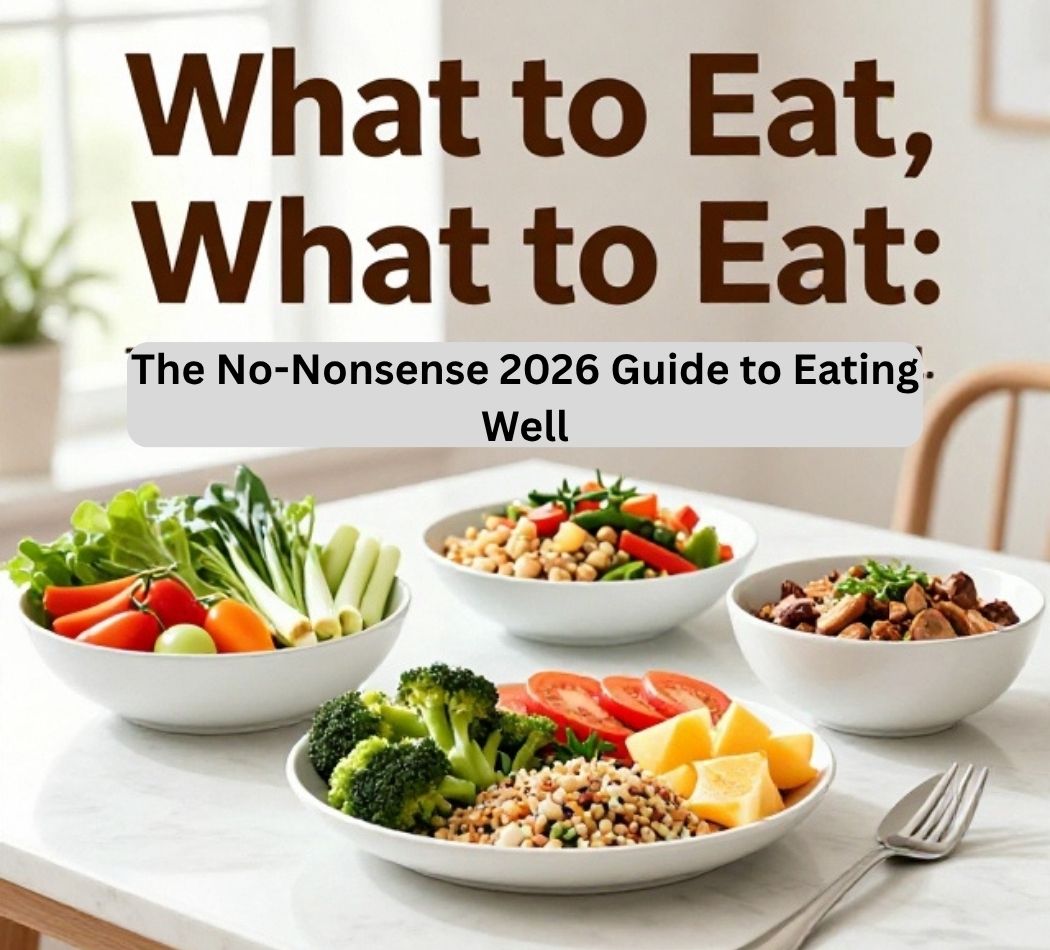
If you remember nothing else from this article, remember this: half vegetables, a quarter protein, a quarter smart carbs, plus a thumb of fat. This is the Plate Method, a visual framework used by dietitians, diabetes educators, and the Veterans Health Administration because it translates complex nutrition science into something you can execute without a food scale.
Here’s what it looks like in practice:
-
Half your plate: non-starchy vegetables. Broccoli, spinach, peppers, cucumbers, tomatoes, leafy greens, mushrooms, zucchini. These are high in fiber, vitamins, and water, and low in calories. They fill you up without weighing you down.
-
A quarter: protein. Fish, poultry, eggs, beans, lentils, tofu, tempeh, lean cuts of red meat. Protein is the most satiating macronutrient and preserves muscle mass, especially important as you age.
-
A quarter: smart carbohydrates. Brown rice, quinoa, whole-grain bread, sweet potatoes, oats, farro. These provide steady energy and fiber.
-
A thumb: healthy fat. Olive oil, avocado, nuts, seeds. Fat helps you absorb fat-soluble vitamins and makes food taste good.
The Mayo Clinic offers a compelling comparison: a typical restaurant plate of steak and starch can hit 1,500 calories and cover only two food groups. The same steak dinner, portioned sensibly with vegetables filling half the plate, comes to around 700 calories—and includes fruit, salad, and milk. Same food. Different architecture.
Why Protein Deserves the Spotlight
The 2026 guidelines emphasize protein at every meal, and for good reason. Protein supports muscle maintenance, immune function, and satiety. The CDC recommends eating a variety of protein foods including meat, poultry, seafood, eggs, beans, peas, lentils, nuts, seeds, and soy. The guidelines also make room for full-fat dairy without added sugars—a departure from decades of low-fat orthodoxy—while still recommending limiting saturated fat to no more than 10% of daily calories.
A note on the controversy: the 2025–2030 guidelines have drawn criticism from some researchers for departing from the traditional expert-committee process and for emphasizing animal-source foods in ways that conflict with decades of evidence linking saturated fat to heart disease risk. The practical takeaway isn’t to pick a side in the nutrition wars. It’s to let your plate reflect your values and your health context. High cholesterol? Lean toward fish, legumes, and plant proteins. Training for sport? Prioritize protein quantity and timing. Cooking for a family on a budget? Eggs and beans are your allies.
The Quality Spectrum: Not All “Healthy” Foods Are Equal
The Ultra-Processed Trap (and the Nuance Within)
“Ultra-processed food” has become the nutritional villain of the decade, and largely for good reason. A 2026 review in BMJ Nutrition, Prevention & Health found that processed meats, sugar-sweetened beverages, and certain fats and sauces were consistently associated with increased risk of adverse health outcomes, including hypertension and all-cause mortality. A separate Lancet series summarized evidence that ultra-processed diets displace traditional food patterns and contribute to the global burden of diet-related chronic disease.
But here’s where most articles stop—and where the nuance matters. Not all ultra-processed foods are created equal. The same BMJ review found that breads, breakfast cereals, and whole-grain products were associated with lower risk in some studies, and that plant-based meat alternatives showed no significant harm. A randomized controlled trial secondary analysis found that replacing animal products with plant-based foods—even processed ones—supported weight loss.
The practical framework: judge foods by what they replace, not just what they are. A whole-grain breakfast cereal that helps you eat more fiber and less bacon is a net positive. A protein bar that replaces a candy bar is an upgrade. A “keto-friendly” cookie that displaces actual vegetables is not.
The Mediterranean and DASH Patterns: The Quiet Champions
If you want a dietary pattern with the strongest evidence base, look no further than the Mediterranean diet and DASH (Dietary Approaches to Stop Hypertension). A 2024 network meta-analysis found that Mediterranean and DASH were superior to keto and intermittent fasting for weight loss and cardiovascular risk factor reduction. A VA evidence review found high-certainty evidence that DASH significantly reduces blood pressure, and that better adherence to either pattern is associated with lower risks of several chronic conditions—with essentially no harms.
What do these patterns have in common? Abundant vegetables, legumes, fruits, nuts, whole grains, fish, olive oil, and minimal processed meat and refined sugar. They are not restrictive in the way diet culture understands restriction. They are patterns of abundance—of real food, eaten in combinations that support long-term health.
Practical Tips: What to Eat, Actually
Breakfast: Set the Tone Without the Stress
A healthy breakfast includes a whole-grain carbohydrate, a protein, and a fruit or vegetable. That’s it. The combinations are endless:
-
Overnight oats with milk, chia seeds, and berries (prep in 2 minutes the night before)
-
Eggs on whole-grain toast with sautéed spinach or tomatoes
-
Greek yogurt with fruit and a sprinkle of nuts or seeds
-
Beans on whole-grain toast (a British classic that hits protein and fiber)
-
A smoothie with spinach, frozen berries, yogurt, and a scoop of oats
The CDC recommends prioritizing protein at every meal, including breakfast. A breakfast that’s only carbohydrates—a pastry, a bowl of sugary cereal, a fruit smoothie with no protein—sets you up for a blood sugar rollercoaster and a mid-morning crash.
Lunch: The Meal Most Likely to Go Sideways
Lunch is where good intentions often meet vending machines and sad desk salads. The fix is batch cooking and intentional leftovers. The Safefood guide recommends cooking meals in batches to save time and money, and using dinner leftovers for lunch. A pot of chili, a tray of roasted vegetables and chicken, a grain salad with beans and herbs—these become lunch for two or three days.
If you’re buying lunch out, look for the same plate architecture: a protein (grilled chicken, fish, tofu, legumes), a generous serving of vegetables, and a moderate portion of whole grains. Avoid the trap of “salads” that are mostly cheese, croutons, and creamy dressing.
Dinner: Where Vegetables Earn Their Keep
Dinner is the meal where most people have the most control and the most time—but also the most fatigue. The Safefood guidance is clear: half the plate should be vegetables or salad, with whole-grain carbohydrates and a palm-sized portion of protein. Easy wins:
-
Stir-fries with a rainbow of vegetables and tofu, chicken, or shrimp
-
Sheet-pan dinners with salmon, broccoli, and sweet potato
-
Omelettes loaded with vegetables and a side salad
-
Pasta with a tomato-based sauce, added vegetables, and lean protein
The American Heart Association recommends cooking on weekends and prepping snacks in advance to make the healthy choice the easy choice during busy weekdays.
Snacks: Plan for Hunger, Don’t React to It
The CDC suggests stocking nutritious snacks at home or work so you have a healthy option when hunger strikes: cut vegetables with hummus, fruit, nuts, yogurt without added sugar, whole-grain crackers. The key is not eating straight from the package—portion out what you plan to eat into a bowl.
Common Mistakes and How to Fix Them
Mistake 1: Chasing Perfection
The biggest enemy of good eating is the belief that it must be perfect. One “bad” meal does not ruin a week. One “bad” week does not ruin a month. The Mediterranean and DASH patterns are associated with health benefits based on overall adherence over time, not flawless execution.
Fix: Aim for an 80/20 pattern. Most meals built around whole foods, with room for foods eaten for pleasure, culture, and connection.
Mistake 2: Confusing Serving Size with Portion Size
A serving is what’s on the nutrition label. A portion is what you put on your plate. They are not the same, and most people serve themselves portions that are two to three times a standard serving—especially for calorie-dense foods like oils, nuts, and cheese.
Fix: Use your hand as a guide. A palm for protein, a fist for grains and starches, a thumb for fats. This isn’t precise, but it’s portable and sustainable.
Mistake 3: Drinking Your Calories
Sugary beverages—soda, sweetened coffee drinks, juice “cocktails,” energy drinks—are among the most consistently harmful ultra-processed categories. They deliver calories without satiety and spike blood sugar.
Fix: Make water the default. The CDC recommends drinking water instead of sugary drinks, and adding berries, lime, lemon, or cucumber for flavor if plain water is boring.
Mistake 4: Under-Buying Produce and Over-Buying Everything Else
Most people who struggle with healthy eating aren’t buying too few chips. They’re buying too few vegetables—and then watching them rot because they didn’t have a plan. The American Heart Association recommends buying fresh produce in season, and frozen or canned (without added sugar or sodium) when that’s more practical.
Fix: Buy produce you’ll actually prep. If you won’t wash and chop broccoli, buy pre-cut. If you won’t eat fresh spinach before it wilts, buy frozen. Convenience that leads to consumption beats virtue that leads to waste.
Pros, Cons, and a Balanced View
The case for structured approaches (Plate Method, Mediterranean, DASH):
-
Strong evidence for cardiovascular health, weight management, and blood pressure reduction
-
Flexible and culturally adaptable
-
No need to count every calorie or macronutrient
The case against rigid dieting (keto, extreme fasting, elimination protocols):
-
Difficult to sustain long-term for most people
-
Can create social friction and food anxiety
-
Evidence for superiority over Mediterranean/DASH is weak or mixed
The honest limitation of all nutrition advice: Much of the evidence base is observational, relying on self-reported food intake, which is notoriously unreliable. Randomized controlled trials in nutrition are expensive, short, and often confounded by adherence. This doesn’t mean we know nothing—the consistency of findings across different populations and study designs is reassuring. But it does mean that anyone who claims to have the One True Diet is selling something.
Future Trends: What’s Shifting in 2026 and Beyond
1. The protein wars will intensify. The 2025–2030 guidelines’ emphasis on protein—including a call for higher intakes than previously recommended—has sparked debate among researchers. Expect more products, more marketing, and more confusion. The practical anchor: most people need roughly 1.2–1.6 grams of protein per kilogram of body weight, spread across meals.
2. “Real food” becomes a regulatory and cultural battleground. The new food pyramid replacing MyPlate, the pushback from nutrition scientists, and the political framing of the guidelines signal that food policy is now culture war. For individuals, the useful move is to ignore the noise and focus on the consensus: vegetables, whole grains, legumes, fish, nuts, and minimal ultra-processed products.
3. Personalization via technology—with a caveat. Continuous glucose monitors, microbiome testing, and AI meal planners are becoming more accessible. These tools can be useful for people with diabetes or specific conditions. But they can also pathologize normal eating and sell unnecessary anxiety. Use them as tools, not identities.
4. Budget-conscious healthy eating as a mainstream skill. With food prices volatile, the ability to eat well on a budget is becoming a survival skill. The American Heart Association and HealthyChildren.org both emphasize planning, sales, store brands, and frozen produce as practical strategies. This is good news: healthy eating and frugal eating overlap far more than the wellness industry admits.
Key Takeaways
-
Build your plate, not your macros. Half vegetables, a quarter protein, a quarter smart carbs, plus a thumb of fat.
-
Protein at every meal supports satiety and muscle. Eggs, beans, fish, poultry, yogurt, tofu—rotate them.
-
Not all ultra-processed foods are equal. Processed meats and sugary drinks are the clearest harms. Whole-grain breads and cereals can be allies.
-
Mediterranean and DASH patterns have the strongest evidence for long-term health, with no meaningful harms.
-
Portion awareness beats calorie counting for most people. Use your hand as a guide.
-
Plan for the meals you actually eat. If you buy lunch out, scout the menu. If you snack at your desk, stock the drawer.
-
Consistency beats perfection. An 80/20 pattern sustained for years beats a perfect pattern abandoned in three weeks.
-
Drink water. It’s the simplest upgrade available.
Detailed FAQs
What should I eat if I have no time to cook?
Prioritize convenience foods that are still real food: rotisserie chicken, pre-washed salad greens, frozen vegetables, canned beans, microwaveable brown rice, pre-cut fruit. The Safefood guide recommends taking food to go—fruit, yogurt, a bagel with peanut butter—when mornings are rushed. Convenience is not the enemy; ultra-processed convenience is.
Is breakfast really the most important meal of the day?
The evidence is mixed. What matters more is what you eat when you break your fast. A protein-containing breakfast supports satiety and steady energy. If you’re not hungry in the morning, don’t force it—but avoid compensating with a massive lunch.
How much protein do I actually need?
For most adults, roughly 1.2–1.6 grams per kilogram of body weight per day is a reasonable target, spread across meals. A 150-pound (68 kg) person would aim for roughly 80–110 grams daily. This is higher than the old minimum of 0.8 g/kg, reflecting newer evidence on muscle preservation and satiety.
Are full-fat dairy and red meat okay?
The 2026 guidelines allow full-fat dairy without added sugars and include red meat as a protein option, while still recommending limiting saturated fat to under 10% of calories. The practical approach: enjoy these foods in moderate portions, and lean more heavily on fish, poultry, legumes, and plant proteins if you have cardiovascular risk factors.
What’s the single easiest change I can make?
Fill half your plate with vegetables at lunch and dinner. Most people eat far fewer vegetables than they need. This one change increases fiber, vitamins, and fullness while displacing less nutritious foods—without requiring calorie counting or food logging.
Do I need supplements?
Most people don’t need a multivitamin if they’re eating a varied diet. Exceptions include vitamin D (especially in low-sunlight climates), B12 for vegans, and iron or folate for some women. Talk to a healthcare provider before adding supplements—they’re not a substitute for real food.
Sources
-
Safefood. “Healthy meal ideas.” 2026.
-
U.S. Department of Veterans Affairs. “Diabetes Self-Management Education and Support: Healthy Eating.”
-
U.S. Department of Health and Human Services. “Kennedy, Rollins Unveil Historic Reset of U.S. Nutrition Policy.” January 2026.
-
American Heart Association. “Comparison of Dietary Macronutrient Interventions for Weight and Cardiovascular Risk Factor Reduction.” Circulation. 2024.
-
BMJ Nutrition, Prevention & Health. “Not all ultra-processed foods are created equal: a review.” 2026.
-
HealthyChildren.org. “Feeding Your Family Right on a Budget.” 2026.
-
Centers for Disease Control and Prevention. “How to Have Healthier Meals and Snacks.” 2026.
-
UCSF Nutrition and Food Services. “Guidelines for Weight Management.”
-
Mayo Clinic. “Healthy meals start with planning.” 2026.
-
JAMA Health Forum. “Federal Dietary Guidance Upended.” 2026.
-
VA Health Systems Research. “Beyond Diabetes, Obesity, and Cardiovascular Disease: An Evidence Map of Anti-Inflammatory Diet.” 2025.
-
The Lancet. “Ultra-processed foods and human health: the main thesis and the evidence.” 2025.
-
American Heart Association. “Eat Healthy on a Budget: Plan Ahead.” 2025.
-
Centers for Disease Control and Prevention. “Healthy Eating Tips.” 2026.

Novara Lin
Senior Editor & Clean Beauty Analyst
Novara Lin is a clean beauty researcher and wellness editor dedicated to demystifying modern skincare and evidence-based living. With a background in formulation science and consumer health reporting, she specializes in analyzing complex ingredient profiles, evaluating product safety, and bridging the gap between clinical research and daily self-care routines. Her work focuses on helping readers cut through industry noise to build minimal, highly effective routines rooted in transparency and skin health. When she isn’t testing active formulations or auditing non-toxic household choices, Novara leads editorial strategy for NovaRa Pure.