
Last updated: September 12, 2026
We Tested:
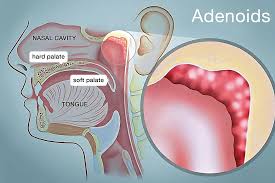
Adenoiditis is a medical condition in which the adenoids become inflamed or infected. Adenoids are small masses of lymphatic tissue located at the back of the nasal cavity, above the throat. They play an important role in the immune system, especially during childhood, by helping the body fight infections.
However, when adenoids become infected or enlarged, they can cause breathing difficulties, recurrent infections, and discomfort. Adenoiditis is most commonly seen in children, although it can also occur in adults in rare cases.
This condition is often associated with colds, sinus infections, and throat infections. Understanding adenoiditis is important because untreated cases can affect sleep, hearing, speech, and overall quality of life.
What Are Adenoids and Their Function?
Adenoids are part of the lymphatic system, which helps protect the body from bacteria and viruses. They are located behind the nose, in the upper part of the throat, and are not visible through the mouth.
In young children, adenoids are relatively large because their immune system is still developing. They help trap germs that enter through the nose and mouth, preventing infections from spreading further into the body.
As children grow older, adenoids gradually shrink and become less active. In adulthood, they are usually very small or completely disappear.
Although adenoids are helpful in early life, they can sometimes become infected or enlarged, leading to adenoiditis.
Causes of Adenoiditis
Adenoiditis occurs when adenoids become infected due to bacteria or viruses. Several factors can contribute to this condition.
One of the most common causes is frequent upper respiratory infections, such as colds, flu, or sinus infections. These infections allow bacteria and viruses to reach the adenoids and cause inflammation.
Another cause is bacterial infection, which can develop after a viral infection weakens the immune system. Common bacteria involved include streptococcus and staphylococcus species.
Allergies can also contribute to adenoid inflammation. When a person is exposed to allergens like dust, pollen, or smoke, the adenoids may become irritated and swollen.
Environmental factors such as air pollution, poor hygiene, and exposure to secondhand smoke can increase the risk of developing adenoiditis.
Children with weak immune systems are more prone to repeated infections, making them more vulnerable to this condition.
Symptoms of Adenoiditis
The symptoms of adenoiditis can vary depending on the severity of the infection. In many cases, symptoms develop gradually and may worsen over time.
One of the most common symptoms is difficulty in breathing through the nose. This happens because swollen adenoids block the nasal airway.
Children may breathe through their mouth, especially during sleep, which can lead to dryness and discomfort.
Snoring is another common symptom, often accompanied by disturbed sleep patterns. In severe cases, sleep apnea may occur, where breathing temporarily stops during sleep.
Adenoiditis can also cause a persistent runny nose or nasal congestion. The mucus may be thick and yellow or green in color if a bacterial infection is present.
Other symptoms include sore throat, bad breath, ear pain, and difficulty hearing due to blocked Eustachian tubes.
In some cases, children may experience changes in voice, making it sound nasal or muffled.
Diagnosis of Adenoiditis
Diagnosing adenoiditis involves a combination of physical examination and medical tests. A doctor usually begins by checking the patient’s medical history and symptoms.
A visual examination of the throat and nose may be performed to check for signs of infection or swelling. However, since adenoids are not directly visible, special tools may be required.
A common diagnostic method is nasal endoscopy, where a thin tube with a camera is inserted into the nasal passage to view the adenoids.
In some cases, X-rays of the neck may be taken to determine the size of the adenoids and check for blockage.
If a bacterial infection is suspected, a throat or nasal swab may be collected for laboratory testing.
Early diagnosis is important to prevent complications such as chronic infections or breathing problems.
Treatment of Adenoiditis
The treatment of adenoiditis depends on the cause and severity of the condition. In mild cases, symptoms may improve with simple home care and medication.
If the infection is caused by bacteria, doctors may prescribe antibiotics to eliminate the infection. Pain relievers and anti-inflammatory medicines may also be recommended to reduce discomfort and swelling.
Nasal sprays or decongestants can help reduce nasal blockage and improve breathing.
In cases where allergies are involved, antihistamines may be used to control allergic reactions and reduce inflammation.
For chronic or severe cases where adenoiditis keeps recurring, surgical removal of the adenoids, known as adenoidectomy, may be recommended.
Adenoidectomy is a common and safe procedure, especially in children who experience frequent infections or breathing difficulties.
Complications of Untreated Adenoiditis
If adenoiditis is not treated properly, it can lead to several complications. One of the most common issues is chronic ear infections due to blocked Eustachian tubes.
Repeated infections can also affect hearing, speech development, and sleep quality in children.
Long-term nasal blockage may lead to facial changes known as “adenoid face,” where the mouth remains open and facial structure is slightly altered due to constant mouth breathing.
Sleep disturbances caused by enlarged adenoids can affect concentration, behavior, and growth in children.
In severe cases, untreated adenoiditis can lead to recurring sinus infections and respiratory problems.
Prevention of Adenoiditis
Preventing adenoiditis involves maintaining good hygiene and strengthening the immune system. Regular handwashing helps reduce the spread of infections.
Avoiding exposure to smoke, pollution, and allergens can also reduce the risk of inflammation.
A healthy diet rich in vitamins and minerals helps improve immunity and protect against infections.
Proper treatment of colds and respiratory infections can prevent bacteria from spreading to the adenoids.
Ensuring children get enough sleep and stay hydrated also supports a strong immune system.
Regular medical checkups can help detect early signs of adenoid problems and prevent complications.
Adenoiditis in Children vs Adults
Adenoiditis is more common in children because their adenoids are larger and more active. In most cases, symptoms appear between the ages of 3 and 10.
In adults, adenoiditis is rare because adenoids usually shrink over time. However, when it does occur in adults, it may be linked to chronic infections or immune system issues.
Children are more likely to experience breathing difficulties, sleep problems, and ear infections due to adenoiditis.
Early treatment in children is important to ensure normal growth and development.
Importance of Early Treatment
Early treatment of adenoiditis helps prevent long-term health problems. If detected early, the condition can often be treated with simple medications.
Delaying treatment may lead to chronic infections and complications that affect quality of life.
Parents should pay attention to symptoms such as mouth breathing, snoring, and frequent colds in children.
Consulting a doctor early ensures proper diagnosis and effective treatment.
Conclusion
Adenoiditis is a common but manageable condition, especially in children. It occurs when the adenoids become inflamed due to infections, allergies, or environmental factors. Although it can cause breathing difficulties, sleep problems, and discomfort, proper treatment can effectively control the condition.
Understanding the causes, symptoms, and treatment options is essential for early diagnosis and prevention. With good hygiene, a healthy lifestyle, and timely medical care, adenoiditis can be managed successfully.
Protecting respiratory health is important for overall well-being, and awareness about conditions like adenoiditis helps ensure better health outcomes for both children and adults.

Novara Lin
Senior Editor & Clean Beauty Analyst
Novara Lin is a clean beauty researcher and wellness editor dedicated to demystifying modern skincare and evidence-based living. With a background in formulation science and consumer health reporting, she specializes in analyzing complex ingredient profiles, evaluating product safety, and bridging the gap between clinical research and daily self-care routines. Her work focuses on helping readers cut through industry noise to build minimal, highly effective routines rooted in transparency and skin health. When she isn’t testing active formulations or auditing non-toxic household choices, Novara leads editorial strategy for NovaRa Pure.