
We Tested:
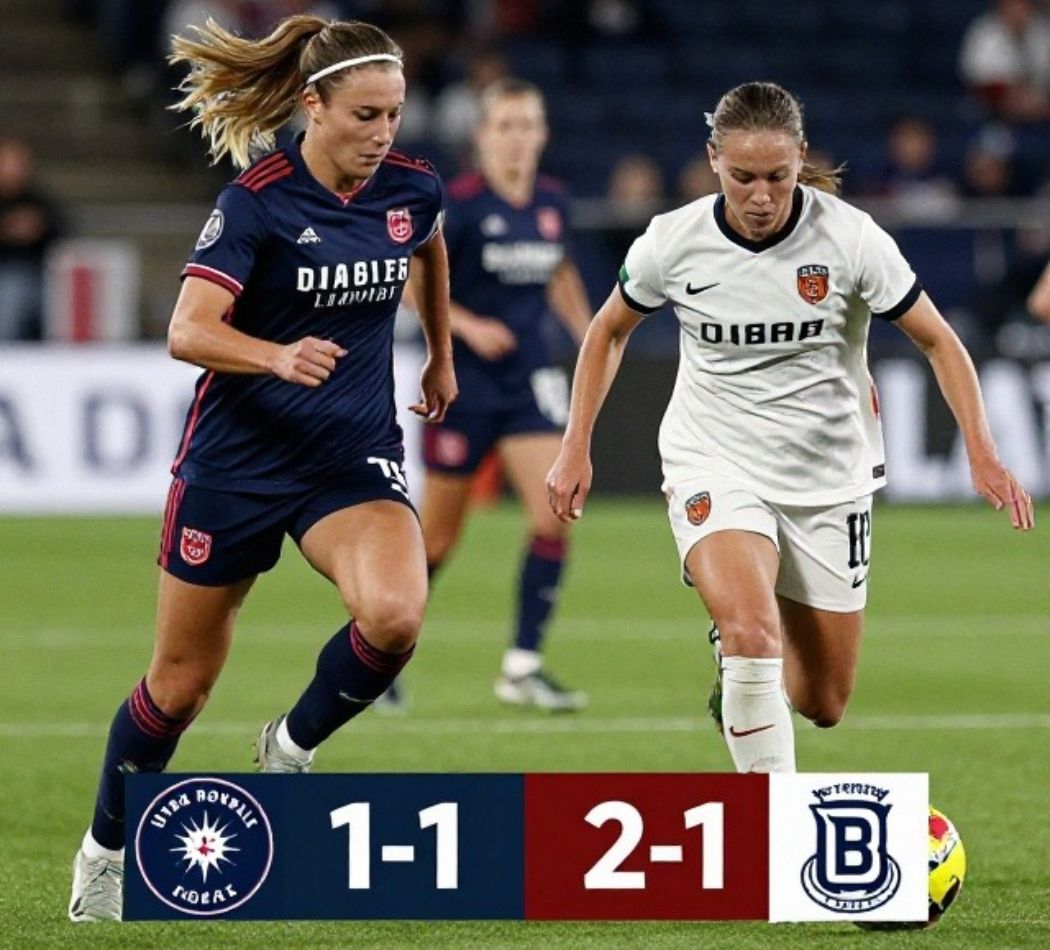
Utah Royals FC vs Boston Legacy: On paper, September 4, 2026, looked like a mismatch. The Utah Royals were sitting comfortably in third place in the NWSL table, eyeing a first-ever playoff berth. Boston Legacy FC, an expansion side in its inaugural season, was languishing in fifteenth, riding a five-match losing streak.
Then Aleigh Gambone slipped unmarked into the back post in the 86th minute, met Nicki Hernandez’s cross, and buried a diving header. Boston won 2-1. Utah’s coach, Jimmy Coenraets, didn’t mince words afterward: “It’s just not something to be proud of, at all”.
That night in Sandy, Utah, encapsulated everything fascinating about this fledgling fixture. The Utah Royals vs Boston Legacy series isn’t just about two matches—it’s a case study in how expansion teams disrupt, how playoff-bound sides stumble, and why the NWSL’s depth is becoming its defining feature. With both clubs heading into 2027 with unfinished business, here’s the complete breakdown of a rivalry that arrived fully formed.
Background: Two Clubs, Two Timelines
Utah Royals FC: The Rebuild That Finally Clicked
The Utah Royals returned to the NWSL in 2024 after a four-year hiatus, inheriting a roster and a fanbase hungry for relevance. The 2026 campaign marked a genuine breakthrough. Utah finished seventh in the final standings with 47 points (14 wins, 5 draws, 11 losses), clinching the franchise’s first playoff appearance. Goalkeeper Mandy McGlynn emerged as one of the league’s most quietly excellent shot-stoppers, even recording two assists—a rarity for her position. Kate Del Fava anchored a backline that, when focused, could grind out results.
But the Royals’ late-season form told a different story. They entered the playoffs on a four-match winless run, including that home defeat to Boston. The gap between their ceiling and their floor was never wider.
Boston Legacy FC: Expansion Chaos, Expansion Promise
Boston’s inaugural NWSL season was a rollercoaster compressed into eight months. They opened with five straight losses. By midsummer, they’d rattled off wins over Orlando Pride and Denver Summit—results that suggested Filipa Patão’s side was ahead of schedule. Then came a winless August and a late-September elimination from playoff contention.
Their final record: 9 wins, 6 draws, 15 losses, 33 points, 13th place. Not pretty. But the underlying numbers hint at something more interesting. Boston scored 41 goals—more than Utah’s 44? No, slightly fewer, but respectable for an expansion side. Their problem was defensive: 53 conceded, the third-worst mark in the league. Amanda Gutierres’ 11 goals provided a genuine attacking focal point. The foundation, however uneven, exists.
The Two Matches That Defined the Series
Match One: Boston 1–2 Utah (March 28, Gillette Stadium)
The first-ever meeting between these clubs came early in the season, when narratives were still unformed. Utah traveled to Foxborough and left with a 2-1 win in front of 10,012 fans. For Boston, it was part of that brutal five-game opening skid. For Utah, it was a professional road result that looked, at the time, like the kind of routine victory a playoff team collects against an expansion side.
What we didn’t know then: Boston would later beat playoff teams. Utah would later lose to last-place-adjacent teams. The result aged poorly for anyone who assumed it predicted the return fixture.
Match Two: Utah 1–2 Boston (September 4, America First Field)
This is the match that lingers. Utah took the lead in bizarrely entertaining fashion: McGlynn’s long punt found Kiana Palacios, who outran her marker and finished first-time for her fourth goal of the season. A goalkeeper assist—McGlynn’s second career helper—should have been the story.
Instead, Boston’s response was the story. Aissata Traoré had opened the scoring in the 10th minute off a pinball sequence that included a Del Fava deflection off the post. After Palacios equalized, Boston simply… kept playing. They out-shot Utah 14-9, held 52% possession, and limited the hosts to three shots on target. Then came Gambone’s 86th-minute winner, a header born from Utah’s failure to track a runner.
Del Fava’s post-match assessment was brutally honest: “I feel like we were out-worked, which is not something that happens very often with this group. They thrive on physicality, and they have nothing to lose”.
That’s the thesis of this entire matchup. Boston, with nothing to play for, played like everything mattered. Utah, with everything to play for, played like a team that believed the table would protect them.
Tactical Breakdown: Why Boston Won the Rematch
The Physicality Trap
Boston’s game plan in Sandy was transparent and effective. They pressed high, committed fouls to disrupt rhythm (25 fouls committed), and dared Utah to match their intensity. Utah didn’t. The Royals’ midfield—technically proficient but not particularly combative—got dragged into a scrap they weren’t built for.
This is a recurring theme for expansion teams with limited talent pools. You can’t out-technique established sides every week. But you can out-work them on a Friday night when they’re looking ahead to a playoff push. Boston’s coaching staff understood this. Filipa Patão’s side may have been outclassed over 30 games, but on a single night, physicality is an equalizer.
Utah’s Defensive Lapses: A Feature, Not a Bug
The Gambone winner was not an isolated incident. Utah’s backline, anchored by the durable Del Fava (94 consecutive starts), had a habit of switching off in transition moments. Against Gotham in the season finale, Guro Reiten scored in the 9th minute—another early concession. Against San Diego in the playoffs, the Wave exploited similar gaps.
The pattern: Utah’s defensive structure is sound in organized play but vulnerable when the game becomes chaotic. Boston, with nothing to lose, embraced chaos.
The McGlynn Paradox
Mandy McGlynn might be Utah’s most important player. Her distribution created the Palacios goal—a moment of individual brilliance that briefly rescued her team. But her excellence also masks structural issues. When your goalkeeper is your best playmaker in a given match, your midfield isn’t doing its job. McGlynn’s two assists in 2026 were celebrated as quirks. They were also symptoms.
What This Series Reveals About the 2026 NWSL
The Expansion Ceiling Is Higher Than We Thought
Boston’s 13th-place finish looks unremarkable. But consider the context: they took points off Orlando, Denver, and Utah. They scored 41 goals—more than three playoff teams. Their winless August coincided with injuries and fixture congestion, not a fundamental talent gap. The 2026 expansion class (Boston and Denver Summit) didn’t just participate. They disrupted.
Utah’s Playoff Berth Was Real—and Fragile
The Royals earned their first playoff appearance. That’s a genuine achievement for a franchise still building its identity. But the four-game winless skid entering the postseason exposed a team that hadn’t learned to handle prosperity. The loss to Boston wasn’t an anomaly; it was a warning sign that San Diego exploited in the quarterfinal.
The NWSL’s Middle Class Is Crowded
Look at the final table. Utah finished 7th with 47 points. Seattle finished 8th with 47. North Carolina finished 9th with 45. Boston finished 13th with 33—14 points out of a playoff spot, yes, but also 14 points clear of the bottom. The league’s parity is no longer a talking point. It’s a structural reality. Any team can beat any team on a given night. The teams that make the playoffs are the ones that avoid the kind of flat performance Utah produced against Boston.
Practical Takeaways: What Clubs Can Learn
For Expansion Sides (Like Boston)
-
Embrace the spoiler role. Boston’s best performances came when expectations were lowest. Patão’s staff should bottle the mentality from the Utah win and make it the baseline for 2027.
-
Fix the defense first. 53 goals conceded won’t cut it. One or two veteran additions in the backline could turn 33 points into 45.
-
Keep Gutierres central. An 11-goal expansion striker is a building block, not a trade chip.
For Playoff-Caliber Teams (Like Utah)
-
Respect the bottom of the table. Utah’s loss to Boston cost them positioning. In a league this tight, dropping points to 13th-place teams is the difference between hosting a quarterfinal and traveling to San Diego.
-
Develop a plan for physical opponents. Boston’s blueprint—press, foul, disrupt—will be copied. Utah needs a midfield enforcer or a tactical adjustment to avoid getting dragged into scrappy games.
-
Don’t over-rely on goalkeeper distribution. McGlynn’s assist was brilliant. It shouldn’t be the primary creative outlet.
Common Mistakes and Challenges
Mistake 1: Overreacting to single results. Boston’s win in Utah didn’t mean Boston was good, and it didn’t mean Utah was bad. It meant Boston executed a specific game plan on a specific night. The mistake analysts make is extrapolating one 90-minute performance into a season-long narrative.
Challenge: Evaluating expansion teams fairly. Boston’s 33 points look poor next to Utah’s 47. But expansion sides face roster construction constraints, travel burdens, and the simple reality of building chemistry from scratch. A more useful metric: Boston took 10 points from their final eight matches, including the Utah win. That’s mid-table form.
Mistake 2: Ignoring context in head-to-head records. The series is 1-1, 3-3 on aggregate. Perfectly balanced. But the timing of those results matters enormously. Utah’s win came when Boston was still finding its feet. Boston’s win came when Utah was looking ahead. Context is everything.
Solution: Judge teams by their rolling five-match form, not isolated results. Utah’s late-season slide was visible before the Boston match. Boston’s August collapse was visible before their late-season uptick. The data was there.
Pros, Cons, and a Balanced Verdict
Pros of the Utah Royals vs Boston Legacy Fixture:
-
Guaranteed drama. Two matches, two 2-1 results, one goalkeeper assist, one 86th-minute winner.
-
Tactical contrast. Utah’s possession-oriented build-up against Boston’s physical disruption creates watchable soccer.
-
Stakes that shift. The March match mattered for Boston’s adjustment period. The September match mattered for Utah’s playoff seeding. Different pressures, same intensity.
Cons:
-
Sample size. Two matches is not a rivalry. It’s a coincidence with branding.
-
Quality variance. Both matches featured defensive errors that would embarrass a top-four side. The entertainment value came partly from sloppiness.
-
Boston’s stadium situation. Gillette Stadium is a cavernous NFL venue. The 10,012 fans who watched the March match rattled around in it. A smaller, soccer-specific home would serve the atmosphere better.
Verdict: This is a promising fixture, not yet a rivalry. Ask again after 2027.
Future Trends and Predictions for 2027
Boston will be better. The expansion draft, a full offseason, and Patão’s first genuine transfer window should yield a more balanced squad. Expect them to compete for a playoff spot—seventh or eighth—rather than 13th.
Utah will regress slightly, then stabilize. The playoff berth was ahead of schedule. Losing key contributors to free agency or expansion is likely. A mid-table finish (8th-10th) is a reasonable projection, with the caveat that McGlynn’s form keeps the floor high.
The head-to-head series will produce a draw. Two matches, two 2-1 results. The soccer gods owe us a 1-1 or a 0-0.
One specific prediction: Boston will beat Utah at home in 2027. The Legacy’s physical style travels well, and Utah’s defense hasn’t yet proven it can handle it.
Conclusion: The Table Told Half the Story
The Utah Royals vs Boston Legacy series in 2026 was a reminder that soccer doesn’t obey spreadsheet logic. Utah was the better team over 30 games. Boston was the better team on the night that mattered most to the people in the stadium.
For Utah, the lesson is about focus. The Royals earned their playoff spot. They also let a winnable home match slip away because they couldn’t match an opponent’s desperation. That’s fixable. For Boston, the lesson is about belief. An expansion side that opened with five straight losses beat a playoff team on the road in September. That’s a foundation.
Key Takeaways:
-
The 2026 series finished 1-1, with both matches ending 2-1
-
Utah finished 7th (47 points); Boston finished 13th (33 points)
-
Boston’s September win snapped a five-match losing streak and exposed Utah’s vulnerability to physical play
-
Both clubs enter 2027 with distinct needs: Utah needs midfield steel; Boston needs defensive stability
-
The fixture has the ingredients for a genuine rivalry—if the teams meet with higher stakes next season
Frequently Asked Questions About Utah Royals FC vs Boston Legacy
Q: Who won the Utah Royals vs Boston Legacy series in 2026?
A: The series was split, 1-1. Utah won 2-1 in Boston on March 28; Boston won 2-1 in Utah on September 4.
Q: Where did each team finish in the 2026 NWSL standings?
A: Utah finished 7th with 47 points and made the playoffs. Boston finished 13th with 33 points and missed the postseason.
Q: Who scored the game-winner in the September match?
A: Aleigh Gambone scored an 86th-minute header for Boston, assisted by Nicki Hernandez.
Q: Did a goalkeeper record an assist in this series?
A: Yes. Utah’s Mandy McGlynn assisted Kiana Palacios’ equalizer on September 4. It was McGlynn’s second career assist.
Q: What was Boston’s inaugural season record?
A: 9 wins, 6 draws, 15 losses, 33 points, 13th place. They scored 41 goals and conceded 53.
Q: Will these teams play again in 2027?
A: Yes, the NWSL’s 16-team double round-robin format guarantees two meetings per season. Dates will be announced with the 2027 schedule release.
Sources: Utah Royals FC vs Boston Legacy
-
FBref.com: Head-to-head match logs and 2026 team statistics for Utah Royals and Boston Legacy
-
KSL Sports: Match report and post-match quotes from Utah’s 2-1 loss to Boston (Sept. 4, 2026) ; Gotham season finale report
-
The Salt Lake Tribune: Match analysis and coach quotes from the September 4 fixture ; playoff seeding report
-
NWSLsoccer.com: Official 2026 schedule listings for both clubs
-
Goal.com: Final 2026 NWSL standings tables
-
Boston.com: Boston Legacy season-ending report and player quotes
-
worldfootball.net: Head-to-head aggregate confirmation
-
Utah Royals official site: Match preview and Del Fava consecutive starts note

Novara Lin
Senior Editor & Clean Beauty Analyst
Novara Lin is a clean beauty researcher and wellness editor dedicated to demystifying modern skincare and evidence-based living. With a background in formulation science and consumer health reporting, she specializes in analyzing complex ingredient profiles, evaluating product safety, and bridging the gap between clinical research and daily self-care routines. Her work focuses on helping readers cut through industry noise to build minimal, highly effective routines rooted in transparency and skin health. When she isn’t testing active formulations or auditing non-toxic household choices, Novara leads editorial strategy for NovaRa Pure.